South Korea has emerged as a global cultural powerhouse while preserving its rich heritage that spans over 5,000 years. This peninsula nation, often called the "Land of the Morning Calm," offers an extraordinary contrast between ancient Confucian traditions and ultra-modern innovation. From the neon-lit streets of Seoul where K-pop stars influence global trends, to serene Buddhist temples nestled in misty mountains, South Korea delivers experiences that constantly surprise and delight. The country's rise from war-torn devastation to technological leader is one of history's most remarkable success stories, and this dynamism is palpable everywhere you go. Whether you're drawn by Korean dramas, world-class cuisine, skincare innovations, or ancient culture, our comprehensive guide will help you discover the many faces of this fascinating nation.
Seoul and Major Cities
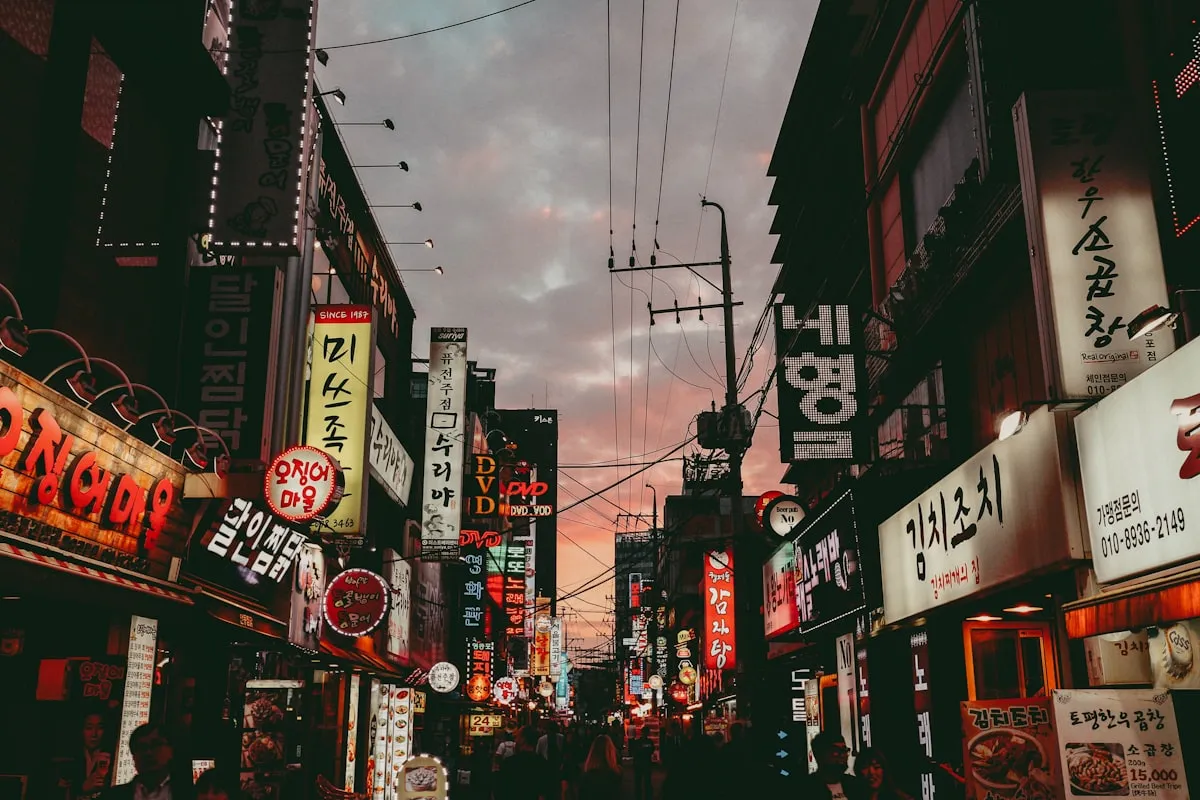
Seoul, a megacity of 10 million people, epitomizes Korea's blend of old and new. The city's five grand palaces, including magnificent Gyeongbokgung with its changing of the guard ceremony, stand proudly amid a forest of skyscrapers. Bukchon Hanok Village preserves 600-year-old traditional houses just steps from modern boutiques. Gangnam, immortalized in song, buzzes with luxury shopping and cutting-edge entertainment, while Hongdae pulses with youth culture, indie music, and street performances. Myeongdong offers beauty product paradise and street food heaven. Don't miss the futuristic Dongdaemun Design Plaza, the historic Namdaemun Market, or sunset views from N Seoul Tower. Busan, Korea's second city, combines spectacular beaches like Haeundae with the colorful Gamcheon Culture Village and Jagalchi, Asia's largest fish market. Incheon serves as the gateway with its modern airport and nearby islands. Daegu offers apple orchards and traditional medicine markets, while Daejeon hosts science museums and hot springs.
Highlights
Regions to Explore
South Korea's compact size makes regional exploration easy. Gyeongju, the ancient Silla dynasty capital, is an open-air museum with royal tombs, Buddha statues, and UNESCO sites scattered throughout. Jeju Island, a volcanic paradise, features dramatic Hallasan mountain, lava tube caves, waterfalls like Cheonjiyeon, and iconic haenyeo women divers. The island's unique culture and landscapes have earned it UNESCO Natural Heritage status. The DMZ (Demilitarized Zone) offers sobering insight into the Korean division, with tours including the Joint Security Area at Panmunjom. Seoraksan National Park in Gangwon-do presents some of Asia's most beautiful mountain scenery, especially during autumn foliage. Jeonju delights with its hanok village and reputation as Korea's food capital, famous for bibimbap. Andong preserves Confucian heritage at Hahoe Folk Village. The east coast offers pristine beaches and the quirky Haedong Yonggungsa temple perched on cliffs. Southern regions like Gwangju combine modern art scenes with historical significance.
Highlights
Culture and Traditions
Korean culture is built on Confucian values of respect, hierarchy, and family devotion. These principles still influence daily interactions—always use two hands when giving or receiving items from elders, bow when greeting, and never pour your own drink at social gatherings. K-pop and K-dramas have propelled Korean soft power globally, with fans visiting filming locations and entertainment company headquarters. Traditional arts remain vibrant: attend a performance of pansori (narrative singing), samulnori (percussion), or the elegant court dance. Buddhism shapes the spiritual landscape, with temple stays offering meditation and mountain serenity. Hanbok, the traditional dress, sees a revival with rental shops near palaces offering Instagram-worthy experiences. Korea's drinking culture centers around soju and makgeolli, always accompanied by anju (drinking food). The jimjilbang (Korean spa) experience is essential—these 24-hour bathhouses offer saunas, communal sleeping rooms, and unique treatments like the iconic sheep-head towel. PC bangs (gaming cafes) and noraebang (karaoke rooms) showcase Korea's entertainment culture.
Highlights
Gastronomy
Korean cuisine is experiencing a global moment, and eating your way through Korea is pure joy. Korean BBQ (gogigui) is an interactive feast where you grill marinated beef (bulgogi), pork belly (samgyeopsal), or premium hanwoo beef at your table. Every meal comes with banchan—an array of small dishes including the ubiquitous kimchi in countless variations. Try bibimbap (mixed rice with vegetables and chili paste), samgyetang (ginseng chicken soup), japchae (sweet potato noodles), and hearty jjigae stews like kimchi-jjigae or sundubu-jjigae. Street food is a culture unto itself: tteokbokki (spicy rice cakes), hotteok (sweet pancakes), kimbap (Korean rice rolls), mandu (dumplings), and Korean fried chicken, which has achieved cult status worldwide. For adventurous eaters, try live octopus (sannakji), sundae (blood sausage), or fermented skate (hongeo). Seoul's Gwangjang Market is street food paradise. Fine dining has flourished too, with Seoul boasting numerous Michelin stars. Don't miss traditional royal cuisine (hanjeongsik) for an elaborate multi-course experience.
Highlights

Transportation
Korea's transportation infrastructure is world-class. The KTX bullet train connects Seoul to Busan in just 2.5 hours, with stops at major cities. Seoul's subway system is extensive, clean, and English-friendly, with free WiFi on trains. Get a T-money card for seamless travel on subways, buses, and even taxis—it works nationwide. Intercity buses reach everywhere trains don't, departing from express terminals in every city. Taxis are affordable, though few drivers speak English; use the Kakao T app for easy booking. Renting a car offers flexibility for rural areas, though parking in cities is challenging. International driving permits are accepted. Domestic flights connect Seoul to Jeju Island in just an hour—it's one of the world's busiest air routes. For Jeju exploration, rent a car as public transport is limited. Ferries connect to numerous islands along the coast. Walking is pleasant in cities, with pedestrian-friendly zones expanding. Cycling infrastructure is growing, particularly along the scenic Four Rivers bike trail.
Highlights
Accommodation
Korea offers diverse lodging from ultra-modern to traditionally charming. Major hotel chains cluster in Seoul's Myeongdong, Gangnam, and Hongdae, with Busan's Haeundae offering beachfront options. Boutique hotels and design-forward properties cater to style-conscious travelers. For authentic experiences, hanok stays let you sleep on floor mattresses (yo) in traditional wooden houses—Bukchon in Seoul and Jeonju's hanok village offer excellent options. Temple stays at Buddhist monasteries provide meditation, vegetarian meals, and mountain serenity—Haeinsa and Beomeosa are popular choices. Guesthouses (minbak) offer budget-friendly rooms often with shared facilities. Love motels (motel in Korean) provide affordable, clean accommodation despite their suggestive name—look for "hotel" or "motel" signs. Jimjilbangs (Korean spas) offer overnight stays with sauna access, sleeping rooms, and usually food courts—Siloam Sauna in Seoul is foreigner-friendly. Airbnb apartments suit longer stays or families. Peak seasons (cherry blossom spring, autumn foliage) require advance booking, especially in popular areas.
Highlights
Budget and Money
Korea offers value across budgets. The currency is the Korean Won (KRW), with roughly 1,300 KRW to 1 USD. Credit cards are widely accepted, even for small purchases, though cash remains useful at markets and small restaurants. ATMs are abundant, though international card compatibility varies—look for "Global" ATMs at convenience stores like 7-Eleven or CU. Budget travelers can manage on 60,000-80,000 KRW daily using guesthouses, street food, and public transport. Mid-range budgets of 150,000-200,000 KRW allow comfortable hotels, restaurant meals, and activities. Luxury travelers find world-class options in Seoul and resort areas. Meals range from 5,000 KRW for street food to 15,000-25,000 KRW for restaurant dishes, while Korean BBQ costs 15,000-40,000 KRW per person. Tipping is not customary and can cause confusion. Convenience stores (CU, GS25, 7-Eleven) sell excellent prepared meals for 3,000-5,000 KRW. Tax refunds are available for purchases over 30,000 KRW at participating stores—look for "Tax Free" signs.
Highlights

Safety and Health
South Korea is exceptionally safe, consistently ranking among the world's safest countries. Violent crime is rare, and walking alone at night is generally safe even in cities. Petty theft is uncommon but stay alert in crowded areas. Natural disasters are limited—typhoons occasionally affect the peninsula in late summer. Air quality can be poor due to fine dust (misemun), particularly in spring; check forecasts and consider masks on bad days. Tap water is safe but locals prefer filtered or bottled water. Healthcare is excellent and affordable, with most doctors in Seoul speaking English. Pharmacies (yakguk) are abundant and helpful. Travel insurance is recommended regardless. The emergency number is 119 for fire/medical and 112 for police. English-speaking help is available through the 1330 tourism hotline. COVID-19 measures have relaxed, but hygiene consciousness remains high. Mosquitoes can be bothersome in summer; bring repellent for outdoor activities. Food allergies require attention as sesame, soy, and seafood are prevalent in Korean cooking.
Highlights
Best Time to Visit
Korea's four distinct seasons each offer unique experiences. Spring (March-May) brings cherry blossoms that transform the country into pink wonderland—Jinhae festival near Busan is spectacular. Temperatures are mild (10-20°C) and perfect for outdoor activities, though yellow dust from China can affect air quality. Summer (June-August) is hot and humid with monsoon rains in July; it's low season but great for beaches and green landscapes. Boryeong Mud Festival in July draws international crowds. Autumn (September-November) is widely considered the best time to visit. Crisp air, stunning foliage painting mountains in red and gold, and harvest festivals create perfect conditions. Seoraksan's autumn colors are legendary. Winter (December-February) brings cold temperatures (-10 to 5°C) and snow, ideal for skiing at resorts like Pyeongchang and Yongpyong, which hosted the 2018 Olympics. Seoul's Christmas lights and cozy jjimjilbang culture make winter magical. Book accommodation well ahead during cherry blossom season, Chuseok (autumn harvest festival), and Seollal (Lunar New Year).
Highlights
Suggested Itineraries
One Week: Focus on Seoul (4 days) exploring palaces, markets, and neighborhoods, plus a DMZ tour. Add 2-3 days in Busan via KTX, visiting temples, beaches, and seafood markets, with a possible day trip to Gyeongju. Two Weeks: Expand with 3-4 days on Jeju Island for volcanic landscapes and unique culture. Include Jeonju for hanok village and food scene, Seoraksan for mountain hiking, and more time in Seoul for hidden gems like Ikseon-dong hanok cafes or Seongsu-dong's hip Brooklyn vibe. Consider a temple stay for spiritual reset. Three Weeks or More: Add the underrated east coast beaches, explore Andong's Confucian heritage, discover Gwangju's art scene, and venture to smaller islands like Ulleungdo. K-pop fans can dedicate time to entertainment districts, fan cafes, and potentially concert attendance. Foodies might arrange cooking classes, market tours, and regional specialties exploration. History buffs should include more Gyeongju time, royal tombs, and wartime sites. Whatever your interests, Korea's compact size and efficient transport make multi-destination trips seamless.
Highlights

Staying Connected
South Korea boasts some of the world's fastest internet—you'll find free WiFi almost everywhere, from subways to convenience stores to restaurants. However, relying solely on WiFi can leave you stranded when navigating streets or translating menus. An eSIM provides reliable 4G/5G coverage throughout the country with no physical card hassle. Essential apps include Kakao Map (more accurate than Google Maps for Korea), Kakao T for taxis, Papago or Naver for translation, and Coupang for delivery shopping. Korea uses Type C/F electrical outlets at 220V—bring adapters if needed. Social media access is unrestricted. The Korean language uses Hangul, a phonetic alphabet you can learn to read in hours—it helps enormously with signs and menus. English signage is common in tourist areas but limited elsewhere; translation apps are essential. Having constant data access transforms your Korea experience, from real-time translation to finding hidden restaurants to navigating complex subway transfers.
Highlights
Travel Tips for South Korea
- Download Kakao Map and Papago translation apps before arrival
- Get a T-money card at any convenience store for all public transport
- Always remove shoes when entering homes and many traditional restaurants
- Bow slightly when greeting, especially to elders—it's a sign of respect
- Pour drinks for others, never yourself; hold glass with two hands when receiving
- Tipping is not expected and can cause confusion—prices include service
- Try soju with Korean BBQ but pace yourself—it's deceptively strong
- Visit palaces wearing hanbok for free or discounted admission
- Book restaurants through Naver or Kakao Map—phone reservations often require Korean
- Convenience stores are excellent for affordable, quality meals
- Check fine dust levels daily in spring; masks help on bad days
- Sunday many restaurants close; plan museum visits then instead
- Learn basic Hangul—you can read it in a few hours and it helps enormously
- Carry cash for traditional markets and small family restaurants
- Use Klook or Trazy for discounted tickets to attractions and experiences
Stay Connected
Get instant mobile data with our eSIM plans. No roaming fees, easy activation, and reliable coverage throughout your trip.
View eSIM Plans