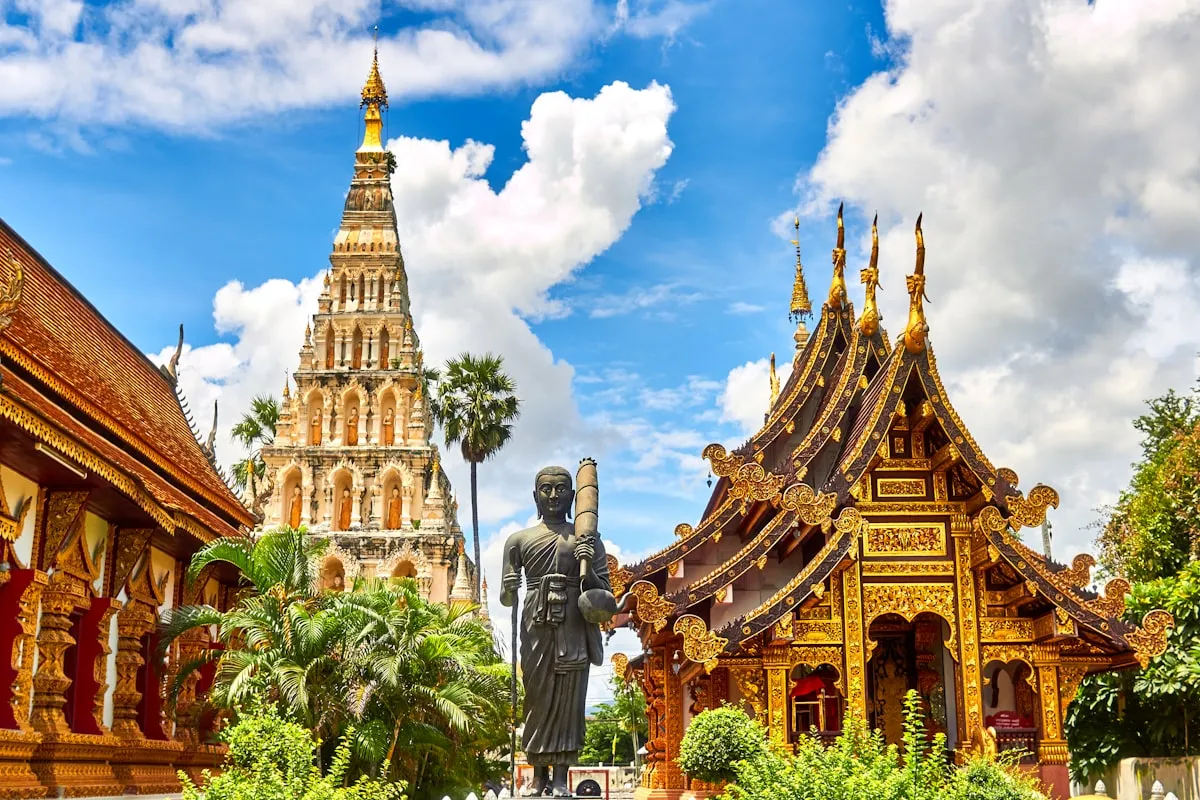
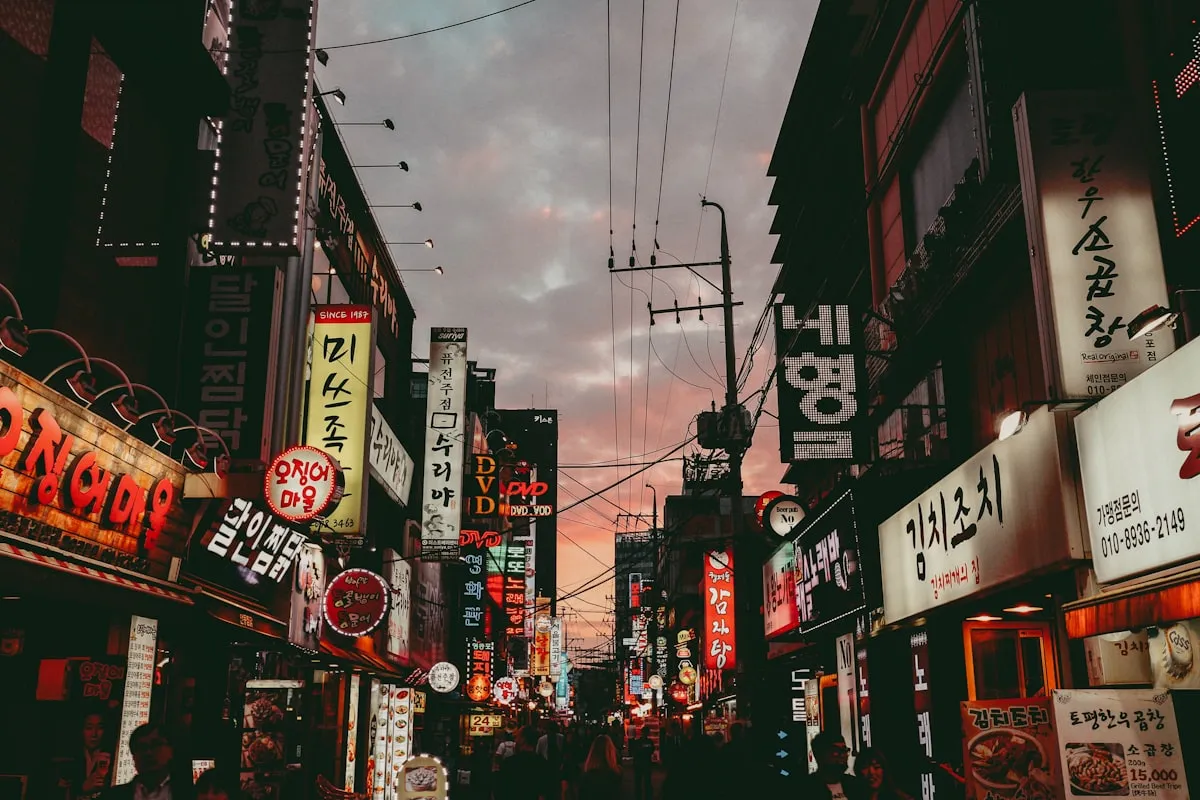
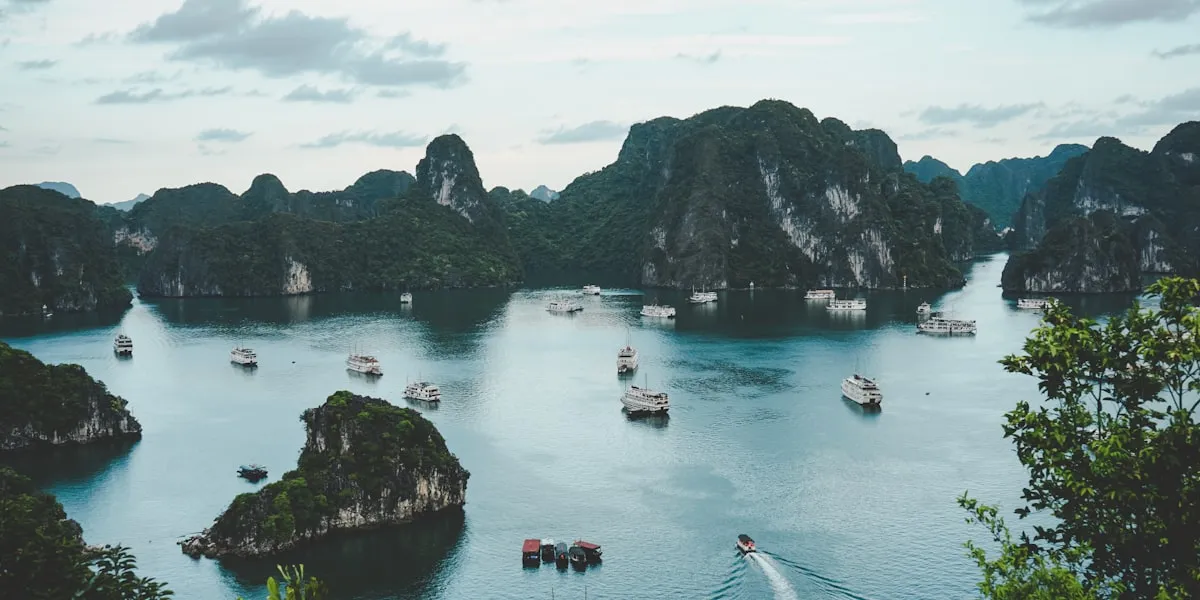
Japan offers a truly unique travel experience where ancient traditions coexist seamlessly with futuristic innovation. This island nation of 125 million people has captivated visitors for centuries with its distinctive culture, exquisite cuisine, and breathtaking landscapes. From the neon-lit streets of Tokyo to the serene bamboo groves of Kyoto, from snow-capped peaks to tropical beaches, Japan surprises at every turn. The country's legendary hospitality (omotenashi), obsessive attention to detail, and deep respect for both tradition and innovation create an experience unlike anywhere else on Earth. Whether you're drawn to ancient temples, cutting-edge technology, world-class cuisine, or natural wonders, this comprehensive guide will help you navigate the Land of the Rising Sun while staying connected throughout your journey.
Tokyo and Major Cities
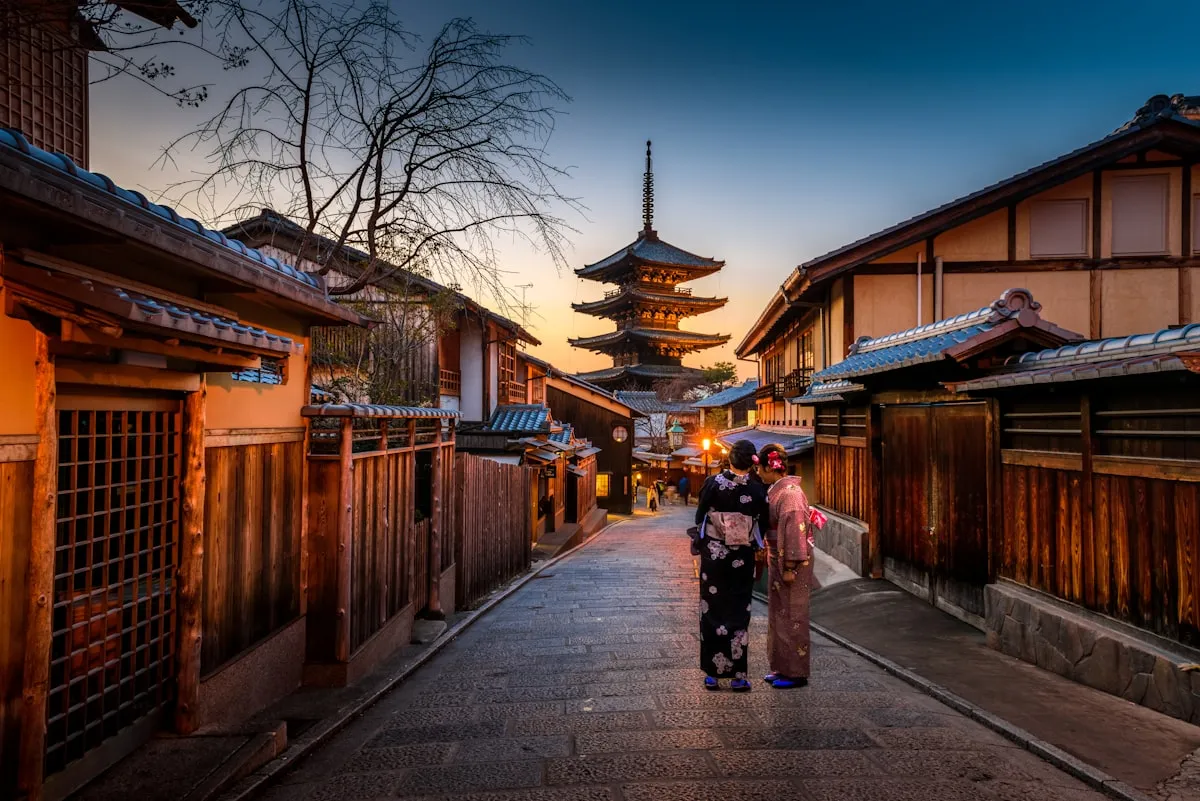
Tokyo, the world's largest metropolitan area, is a city of extraordinary contrasts. Traditional temples stand beside towering skyscrapers, and ancient rituals coexist with robot restaurants. Explore the famous Shibuya Crossing, shop in trendy Harajuku, experience the tranquility of Meiji Shrine, and discover cutting-edge technology in Akihabara. The Tsukiji outer market offers incredible food, while Tokyo Skytree provides stunning views. Kyoto, the cultural heart of Japan, served as imperial capital for over a millennium and contains 17 UNESCO World Heritage sites. Osaka brings energy, street food, and entertainment—the Japanese say "Kyoto for temples, Osaka for eating." Hiroshima offers poignant history and resilience. Kanazawa preserves samurai and geisha districts. Nara charms with friendly deer roaming among World Heritage temples. Yokohama combines waterfront modernity with historic Chinatown.
Highlights
Regions to Explore
Japan's geography offers remarkable diversity across its four main islands. Mount Fuji, Japan's iconic volcano, is best viewed from the Fuji Five Lakes region or climbed in summer. The Japanese Alps provide spectacular hiking and world-class skiing in Hakuba and Nagano. Hokkaido, the northern island, offers pristine nature, legendary powder snow, lavender fields, and the freshest seafood. Okinawa in the south provides tropical beaches, coral reefs, and unique Ryukyu culture. The Setouchi region connects islands via the stunning Shimanami Kaido cycling route. San'in coast along the Sea of Japan remains beautifully undiscovered. Shikoku offers the famous 88-temple pilgrimage route. Kyushu delivers volcanic hot springs (onsen), including Beppu's famous "hells." The Nakasendo trail preserves historic post towns between Kyoto and Tokyo.
Highlights
Culture and Traditions
Japanese culture is built on concepts that define daily life. Omotenashi (selfless hospitality) means service exceeds expectations without expecting anything in return. Respect for others manifests in quiet train carriages, pristine public spaces, and meticulous attention to presentation. Buddhism and Shinto coexist, with most Japanese participating in traditions of both. Remove shoes when entering homes, temples, and traditional restaurants. Bowing is common—a slight nod acknowledges most situations. The concept of "reading the air" (kuuki wo yomu) emphasizes unspoken communication. Seasonal appreciation runs deep—cherry blossom hanami parties in spring, autumn leaf viewing (momijigari), and New Year shrine visits (hatsumode) mark the year. Traditional arts like tea ceremony, ikebana (flower arranging), and kabuki theater continue to thrive alongside modern pop culture, anime, and J-pop.
Highlights
Japanese Gastronomy
Japanese cuisine, recognized by UNESCO as Intangible Cultural Heritage, is a highlight of any visit. Tokyo alone has more Michelin stars than any other city. Sushi and sashimi reach perfection at counters where masters train for decades. Ramen varies by region—rich tonkotsu in Kyushu, soy-based in Tokyo, miso in Sapporo. Kaiseki, the pinnacle of Japanese fine dining, presents seasonal ingredients as edible art. Izakayas (gastropubs) offer casual dining with endless small plates. Try okonomiyaki (savory pancakes) in Osaka, yakitori (grilled chicken skewers), and the theatrical wagyu beef experience. Japan's convenience stores (konbini) serve surprisingly excellent meals 24/7—the egg sandwiches and onigiri are legendary. Department store basement food halls (depachika) showcase incredible variety. Vending machines offer hot and cold drinks everywhere. Matcha (green tea) flavors everything from ice cream to Kit Kats.
Highlights

Getting Around Japan
Japan's transportation is efficient, punctual, and comprehensive. The Shinkansen (bullet train) network connects major cities at speeds up to 320 km/h—Tokyo to Kyoto takes just 2 hours 15 minutes. The Japan Rail Pass offers unlimited JR travel and significant savings for tourists; purchase before arriving. IC cards (Suica, Pasmo) work on trains, buses, and for purchases nationwide. Local trains, subways, and buses reach everywhere. Trains are famously punctual—average delay is under one minute annually. Renting a car makes sense for rural areas like Hokkaido, Okinawa, and mountain regions but not in cities. Domestic flights connect distant destinations affordably when booked early. Bicycles are popular for local exploration—many hotels and ryokans offer free bikes. The overnight bus network provides budget travel between cities.
Highlights
Where to Stay
Japanese accommodation offers unique experiences at every level. Ryokans (traditional inns) provide tatami rooms, futons, kaiseki dinners, and often onsen (hot spring baths)—a quintessential Japanese experience. Capsule hotels offer efficient, affordable pods in cities. Business hotels like Toyoko Inn and APA provide reliable, compact rooms at reasonable prices. Luxury international chains operate throughout major cities. Minshuku (family-run guesthouses) offer budget-friendly local hospitality. Temple lodging (shukubo) provides spiritual experiences, particularly around Koya-san. Love hotels, despite their reputation, offer clean, affordable rooms for travelers. Airbnb operates under specific regulations—registered properties are legal. In Tokyo, stay in Shinjuku for transport access, Shibuya for youth culture, or Asakusa for traditional atmosphere. In Kyoto, Gion and Higashiyama districts offer traditional settings.
Highlights
Budget and Money
Japan uses the Yen (¥). Despite its reputation, Japan can be affordable. Budget travelers can manage on ¥8,000-12,000/day ($55-80) with hostel accommodation, konbini meals, and free attractions. Mid-range travelers should expect ¥15,000-25,000/day ($100-170) with business hotels, restaurant meals, and attractions. Luxury travel starts at ¥40,000+/day ($270+). Cash remains king—many restaurants, small shops, and even some attractions don't accept cards. ATMs at 7-Eleven convenience stores and post offices accept international cards reliably. Tipping is not expected and can cause confusion—exceptional service is standard. Many temples and shrines are free; museums typically cost ¥500-2,000. The Japan Rail Pass represents significant value. Tax-free shopping is available for tourists on purchases over ¥5,000 at participating stores.
Highlights

Safety and Health
Japan is one of the world's safest countries, with exceptionally low crime rates. Lost items, including wallets and phones, are frequently returned. Women can travel solo with confidence. The main concerns are natural disasters—Japan experiences earthquakes, typhoons, and occasional volcanic activity. Emergency earthquake alerts are broadcast on phones. Familiarize yourself with evacuation procedures, especially in coastal areas (tsunami risk). Healthcare is excellent but can be expensive for visitors—travel insurance is strongly recommended. Pharmacies (drugstores) can help with minor ailments, though staff may not speak English—download translation apps. Tap water is safe throughout Japan. The emergency number is 110 for police, 119 for fire/ambulance. Some tattoo restrictions exist at traditional onsen—research before visiting.
Highlights
Best Time to Visit
Japan offers distinct seasonal experiences. Cherry blossom season (late March-early May, varying by latitude) is magical but crowded—book months ahead. Spring (March-May) brings pleasant weather and blooms. Summer (June-August) is hot and humid, with rainy season (tsuyu) in June, but festivals abound and mountains offer escape. Autumn (September-November) delivers spectacular foliage (koyo), comfortable temperatures, and fewer tourists than spring. Winter (December-February) is cold but perfect for skiing in Hokkaido and the Alps, onsen bathing, and experiencing Japan without crowds. New Year (late December-early January) sees many closures as Japanese travel domestically. Golden Week (late April-early May) and Obon (mid-August) are peak domestic travel periods to avoid.
Highlights
Suggested Itineraries
For one week, focus on the "Golden Route": Tokyo (3 days) → Hakone/Mt. Fuji day trip → Kyoto (3 days) with Nara day trip. Two weeks allows deeper exploration: Tokyo (4 days) → Takayama and Japanese Alps (2 days) → Kanazawa (2 days) → Kyoto (3 days) → Osaka (2 days) → Hiroshima/Miyajima (1 day). For traditional Japan: Kyoto (4 days) → Nara (1 day) → Koya-san temple stay → Naoshima art island. Adventure seekers: Tokyo (2 days) → Hakone (1 day) → Mt. Fuji area (2 days) → Kamikochi hiking (2 days) → Nagano (2 days). Winter trip: Tokyo (3 days) → Nagano/snow monkeys → Hakuba or Niseko skiing. Off-the-beaten-path: San'in coast, Shikoku pilgrimage, or Tohoku region. Always include at least one ryokan night for the quintessential Japanese experience.
Highlights

Stay Connected with eSIM
Staying connected in Japan is essential for navigation and translation. Google Maps works excellently for train connections (showing platform numbers and transfer times). Translation apps like Google Translate help with menus and signs—the camera function reads Japanese characters instantly. Japan has excellent 4G/5G coverage across the country, including rural areas and Shinkansen routes. Traditional roaming charges can be extremely expensive for the data-heavy needs of navigation and translation. With an eSIM from eSIM Go Fly, you get affordable, high-speed data throughout Japan. Simply purchase and activate before departure—you'll be connected the moment you land at Narita, Haneda, Kansai, or any Japanese airport. No need to rent a pocket WiFi device or search for SIM card shops. Your eSIM works alongside your regular number, so you won't miss important calls while exploring Fushimi Inari's thousands of torii gates.
Highlights
Essential Travel Tips for Japan
- Get a Japan Rail Pass before arriving—it offers significant savings on Shinkansen and JR trains
- Cash is essential: many restaurants, shops, and attractions don't accept cards—use 7-Eleven ATMs
- Remove shoes when entering homes, temples, ryokans, and some restaurants—look for shoe racks at entrances
- Tipping is not expected and can cause confusion—excellent service is simply the standard
- Download Google Translate and enable offline Japanese—the camera reads characters instantly
- Bow slightly when greeting, thanking, or apologizing—a small nod is sufficient for most situations
- Trains are silent zones: set phones to manner mode, avoid calls, and speak quietly
- Queue in orderly lines for trains, buses, and attractions—line cutting is heavily frowned upon
- Don't eat while walking—it's considered impolite (except at festivals and markets)
- Convenience stores (konbini) offer excellent, affordable meals 24/7—try the egg sandwiches
- Book accommodations early for cherry blossom season, autumn foliage, and major holidays
- Many restaurants don't speak English—photos on menus or plastic food displays help ordering
- Trash cans are rare—carry a small bag for your rubbish until you find one
- Tattoos can restrict access to traditional onsen—research policies or visit tattoo-friendly facilities
- Learn basic phrases: "Sumimasen" (excuse me), "Arigatou gozaimasu" (thank you), "Oishii" (delicious)
Stay Connected
Get instant mobile data with our eSIM plans. No roaming fees, easy activation, and reliable coverage throughout your trip.
View eSIM Plans