The United Kingdom combines rich history, diverse landscapes, and cosmopolitan cities in a compact island nation. From the iconic landmarks of London to the rugged beauty of Scotland, from Welsh castles to Northern Ireland's dramatic coastline, Britain offers an extraordinary variety of experiences. The UK has shaped global culture through its literature, music, and traditions, from Shakespeare to the Beatles, from afternoon tea to the pub culture. With world-class museums (many free!), legendary countryside, royal pageantry, and a thriving contemporary scene, the United Kingdom rewards travelers with timeless charm and constant surprises. This comprehensive guide will help you explore Britain while staying connected throughout your journey.
London and Major Cities
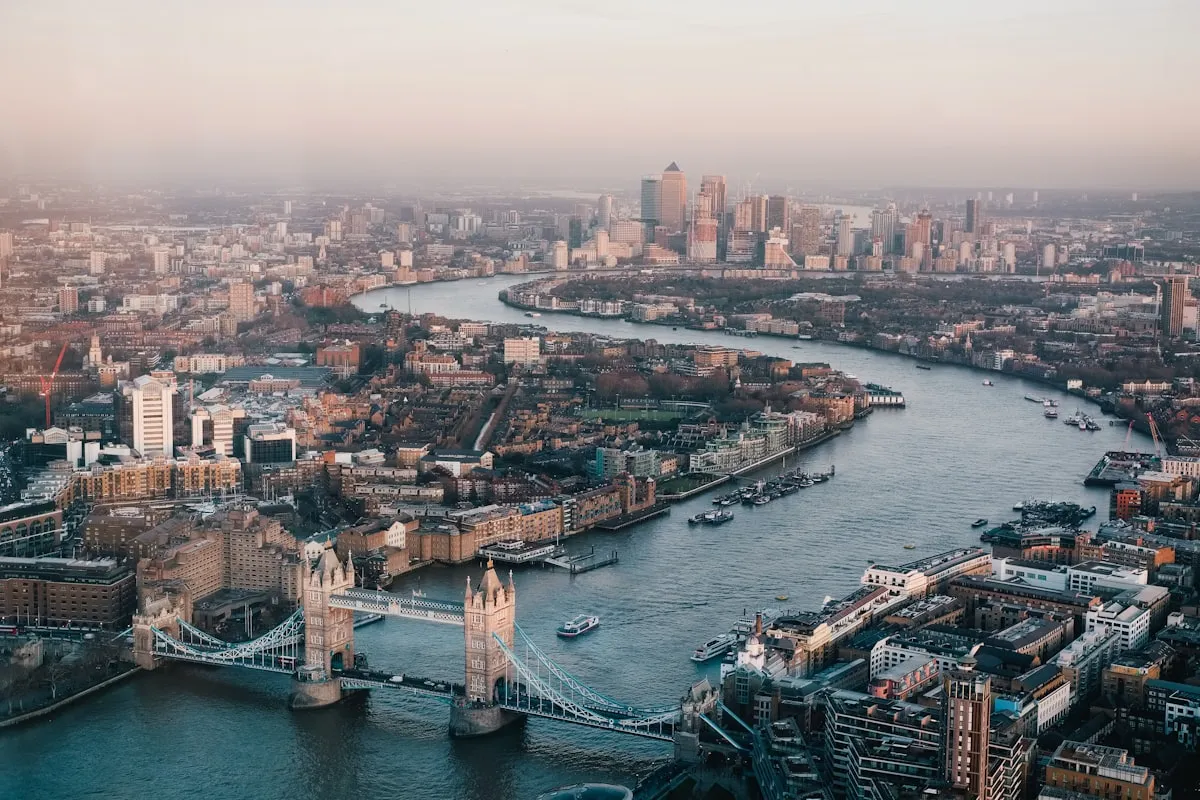
London is one of the world's great cities, blending 2,000 years of history with cutting-edge modernity. See Big Ben, Buckingham Palace, and the Tower of London. Explore world-class museums like the British Museum, National Gallery, and Tate Modern—all free. Experience diverse neighborhoods from historic Westminster to trendy Shoreditch to multicultural Brixton. The West End offers world-class theatre. Edinburgh, Scotland's stunning capital, combines castle views with a vibrant festival scene. Manchester pulses with music heritage and Premier League football. Liverpool celebrates its Beatles legacy and revitalized waterfront. Bristol offers street art, independent culture, and balloon festivals. Birmingham has undergone massive regeneration with excellent dining and canal-side walks. Glasgow impresses with Victorian architecture and friendly locals.
Highlights
Regions to Explore
The UK's compact size packs in remarkable diversity. The Scottish Highlands deliver dramatic landscapes of lochs, glens, and mountains—drive the North Coast 500 for unforgettable scenery. The Isle of Skye offers fairy pools and dramatic cliffs. The Cotswolds enchant with honey-colored stone villages and rolling hills. The Lake District inspired Wordsworth and Beatrix Potter with its mountains and lakes. Cornwall provides dramatic coastline, sandy beaches, and excellent surfing. Wales offers Snowdonia's mountains, countless castles, and the beautiful Pembrokeshire coast. Yorkshire combines wild moors with historic cities like York. The Peak District delivers accessible hiking and charming villages. Northern Ireland's Giant's Causeway and Dark Hedges draw visitors seeking natural wonders and Game of Thrones filming locations.
Highlights
Culture and Traditions
British culture blends ancient traditions with modern creativity. The pub remains central to social life—each village has its local, and real ales and craft beers thrive. Afternoon tea, with scones, sandwiches, and cakes, is a quintessential experience. The Royal Family continues to fascinate, with Changing of the Guard at Buckingham Palace drawing crowds. Football (soccer) is a national obsession, with Premier League matches electric experiences. Cricket, rugby, and tennis at Wimbledon complete the sporting calendar. Literary heritage runs deep: Shakespeare in Stratford, Jane Austen in Bath, Harry Potter locations across the country. Music shaped the world here, from The Beatles to Adele. Festivals abound: Edinburgh Fringe is the world's largest arts festival, Glastonbury is legendary for music, and Guy Fawkes Night lights up November.
Highlights
British Gastronomy
British food has undergone a revolution. Beyond the beloved fish and chips and Sunday roast with Yorkshire pudding, the UK now boasts world-class dining. London alone has over 70 Michelin-starred restaurants. The full English breakfast remains a hearty tradition: eggs, bacon, sausages, beans, toast, and more. Regional specialties abound: Cornish pasties, Scottish haggis, Welsh rarebit, and the Scottish/English debate over the proper cream tea method. The curry is practically a national dish—British Indian cuisine developed its own identity with dishes like chicken tikka masala. Gastropubs serve elevated comfort food in cozy settings. Food markets thrive: Borough Market in London, St. George's Market in Belfast. The craft beer revolution has reinvigorated brewing, while Scottish whisky remains legendary.
Highlights

Getting Around the UK
The UK is well-connected but expensive without planning. Train travel reaches most destinations—book in advance on National Rail or Trainline for significant savings over walk-up fares. Consider a BritRail Pass for extensive travel. Coaches (buses) like National Express and Megabus offer budget options. Driving provides flexibility for rural areas—remember to drive on the left! Roads are generally excellent but congested near cities. In London, the Tube (Underground), buses, and Overground integrate with Oyster cards or contactless payment. Black cabs are iconic but expensive; Uber operates widely. Domestic flights connect London to Edinburgh, Belfast, and regional airports affordably if booked early. Ferries serve island destinations like the Isle of Wight, Isle of Man, and Scottish islands.
Highlights
Where to Stay
UK accommodation spans all budgets and styles. Luxury hotels include grand establishments like The Ritz and Claridge's, plus country house hotels in stunning settings. Boutique hotels have flourished in city centers and converted historic properties. B&Bs (bed and breakfasts) offer hospitality and local insight, particularly valuable in the countryside. Pub rooms provide character and convenience—stay above a traditional inn. Budget travelers find YHA (Youth Hostels Association) properties in prime locations including castles and lighthouses. Airbnb is widespread but regulated in some areas. In London, stay in central zones 1-2 for convenience, or outer zones for better value with easy Tube access. In Scotland, consider staying in castles for a unique experience. Book well ahead for Edinburgh Festival, London events, and peak summer in popular areas.
Highlights
Budget and Money
The UK uses the British Pound (£). Budget travelers can manage on £60-80/day with hostel accommodation, supermarket meals, and free museums. Mid-range travelers should expect £120-200/day with B&B or hotel stays, pub meals, and attractions. Luxury travel starts at £300+/day. London is significantly more expensive than the rest of the UK. Many world-class museums are free: British Museum, National Gallery, Tate Modern, Natural History Museum, and more. Tipping is appreciated but not obligatory—10-15% for good restaurant service is standard. Credit cards are widely accepted, even for small purchases (contactless is ubiquitous). ATMs are plentiful. VAT refunds are no longer available for tourists post-Brexit. Student and senior discounts are widely available.
Highlights

Safety and Health
The UK is very safe for travelers, with low violent crime rates. Standard urban precautions apply—watch for pickpockets in tourist areas and on public transport, particularly in London. Keep valuables secure and be aware of your surroundings at night. The NHS (National Health Service) provides excellent healthcare. EU citizens are no longer covered by EHIC post-Brexit—all visitors should have travel insurance. Pharmacies (chemists) can advise on minor ailments; Boots and Superdrug are common chains. Emergency number is 999 (or 112). Tap water is safe and excellent throughout the UK. Weather can change quickly—layers and a waterproof jacket are essential. Scottish midges (tiny biting insects) can be fierce in summer—bring repellent for Highland visits.
Highlights
Best Time to Visit
The UK is a year-round destination with distinct seasonal appeals. Spring (April-May) brings blooming gardens, longer days, and pleasant temperatures before peak crowds. Summer (June-August) offers the best weather (relatively!), outdoor festivals, and peak tourist season—book ahead and expect higher prices. Autumn (September-October) delivers beautiful fall colors, fewer crowds, and harvest festivals. Winter (November-February) means Christmas markets, cozy pubs, and lower prices, though shorter days and cold, damp weather. Edinburgh Festival in August transforms the city but requires far-advance booking. The weather is famously unpredictable year-round—pack layers regardless of season. Scotland and Wales generally have more rainfall than southern England.
Highlights
Suggested Itineraries
For one week, focus on England: London (4 days) with day trips to Oxford, Bath, or Stonehenge, plus a taste of the Cotswolds (2-3 days). Two weeks allows the classic Britain route: London (3 days) → Bath/Stonehenge (2 days) → Cotswolds (2 days) → York (2 days) → Edinburgh (3 days) → Scottish Highlands (2 days). For Scotland focus: Edinburgh (3 days) → Highlands and Isle of Skye (4-5 days) → Glasgow (2 days). Literary lovers: London → Stratford-upon-Avon → Bath → Lake District. Harry Potter fans: London studios → Oxford → Edinburgh → Glenfinnan Viaduct. Game of Thrones: Northern Ireland for filming locations. Three weeks allows adding Wales, Cornwall, or deeper Highland exploration.
Highlights

Stay Connected with eSIM
Staying connected in the UK enhances your travel experience. Navigate London's complex streets with Google Maps, check real-time train schedules on National Rail apps, book last-minute theatre tickets, and share your British adventures instantly. The UK has excellent 4G/5G coverage across England, Scotland, Wales, and Northern Ireland, including rural areas (though Highland glens may have spots with limited signal). Traditional roaming charges from your home carrier can quickly become expensive, especially for longer trips. With an eSIM from eSIM Go Fly, you get affordable, high-speed data throughout the UK. Simply purchase and activate before departure—you'll be connected the moment you land at Heathrow, Gatwick, Edinburgh, Manchester, or any UK airport. No need to search for a Vodafone or EE shop. Your eSIM works alongside your regular number, so you won't miss calls while exploring the Highlands.
Highlights
Essential Travel Tips for the UK
- Weather is unpredictable year-round—always pack layers and a waterproof jacket
- Many world-class museums are free: British Museum, National Gallery, Tate Modern, and more
- Book train tickets in advance online for massive savings over walk-up fares
- Tipping 10-15% for good restaurant service is appreciated but not mandatory
- Pubs often don't accept reservations—arrive early for popular ones, especially Sundays
- Mind the gap when using the London Underground—it's real and can be significant
- Drive on the left side of the road if renting a car—roundabouts go clockwise
- Contactless payment is accepted almost everywhere, even for small purchases
- Queuing is sacred—never jump a queue or you'll face British disapproval
- Last orders at pubs is typically 11pm; clubs stay open later in cities
- "Cheers" means both "thank you" and "goodbye" in casual British conversation
- The Edinburgh Festival in August requires booking accommodation months ahead
- Scottish midges can be fierce in summer Highlands—bring insect repellent
- EU citizens now need travel insurance—EHIC/GHIC no longer works post-Brexit
- Download the Trainline app for easy train bookings and live departure boards
Stay Connected
Get instant mobile data with our eSIM plans. No roaming fees, easy activation, and reliable coverage throughout your trip.
View eSIM Plans