Spain captivates visitors with its vibrant culture, stunning architecture, and world-renowned cuisine. From the modernist masterpieces of Barcelona to the Moorish palaces of Andalusia, this passionate country offers endless discoveries. With over 80 million visitors annually, Spain ranks among the world's top tourist destinations—and for good reason. The country boasts 48 UNESCO World Heritage Sites, more than 8,000 kilometers of coastline, and a culinary scene that has revolutionized global gastronomy. Whether you're seeking art and history, beach relaxation, mountain adventures, or legendary nightlife, Spain delivers with unmistakable style. This comprehensive guide will help you plan an unforgettable Spanish adventure while staying connected throughout your journey.
Madrid and Major Cities
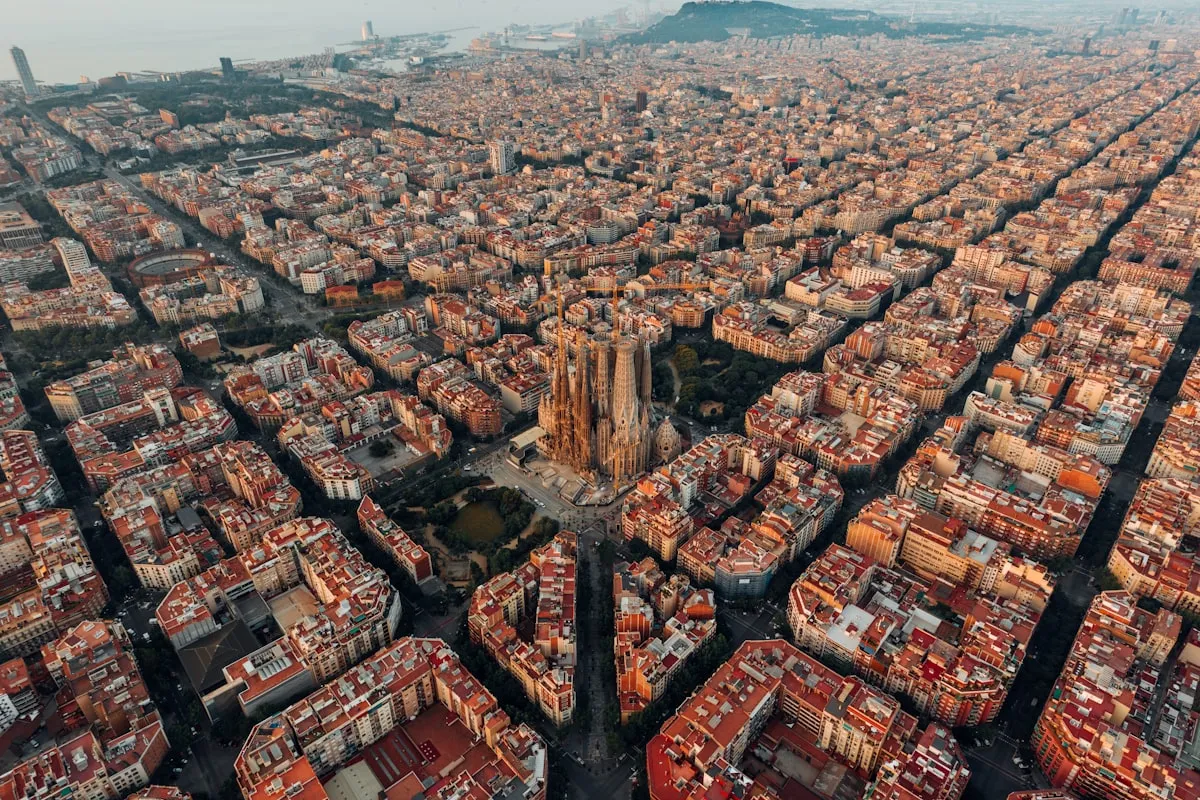
Madrid, Spain's elegant capital, pulses with energy from morning until well past midnight. The "Golden Triangle of Art"—Prado, Reina Sofía, and Thyssen-Bornemisza museums—houses masterpieces from Velázquez to Picasso. Stroll through the elegant Retiro Park, admire the Royal Palace, and experience the legendary nightlife that keeps the city alive until dawn. Barcelona stands apart with its unique Catalan identity and Gaudí's architectural wonders—the Sagrada Família remains a must-see despite over a century of construction. Valencia combines futuristic architecture at the City of Arts and Sciences with historic old town charm and the birthplace of paella. Seville embodies Andalusian romance with its Gothic cathedral, Alcázar palace, and authentic flamenco tablaos. Bilbao has transformed from industrial city to cultural hub, anchored by the stunning Guggenheim Museum. San Sebastián offers Spain's finest dining scene with more Michelin stars per capita than almost anywhere on Earth.
Highlights
Regions to Explore
Spain's autonomous communities each offer distinct experiences. Andalusia in the south embodies the romantic Spanish spirit with Moorish architecture, whitewashed villages, and passionate flamenco. Catalonia combines Mediterranean beaches with Pyrenean mountains and a proud cultural identity. The Basque Country offers dramatic coastlines, unique cuisine, and Europe's oldest language. Galicia in the northwest surprises with Celtic heritage, lush green landscapes, and exceptional seafood. Castilla y León preserves medieval cities like Salamanca, Segovia, and Burgos. The Balearic Islands—Mallorca, Menorca, Ibiza, and Formentera—range from family-friendly to party paradise. The Canary Islands offer year-round warmth with volcanic landscapes and African-influenced culture. Asturias and Cantabria along the northern coast provide dramatic cliffs, pristine beaches, and Spain's best cider.
Highlights
Culture and Traditions
Spanish culture celebrates life with infectious enthusiasm. The daily rhythm differs dramatically from northern Europe—lunch is the main meal (2-4pm), shops close for siesta, and dinner rarely starts before 9pm. Nightlife begins when other countries are going to bed. Flamenco, born in Andalusia, expresses deep emotion through song, dance, and guitar—seek out authentic tablaos rather than tourist shows. Festivals punctuate the calendar: La Tomatina's tomato battle, Pamplona's Running of the Bulls, Valencia's Las Fallas with its giant burning sculptures, and Semana Santa's solemn Easter processions. Football (soccer) is a national obsession, with Real Madrid vs. Barcelona matches stopping the country. Family remains central to Spanish life, with multi-generational Sunday lunches a cherished tradition. The paseo—evening stroll—fills plazas with locals enjoying the cooler hours.
Highlights
Spanish Gastronomy
Spanish cuisine has conquered the world, from traditional tapas to avant-garde molecular gastronomy. Tapas culture encourages social eating—order several small plates to share and hop between bars. Each region has specialties: paella in Valencia, pintxos in the Basque Country, gazpacho and salmorejo in Andalusia, pulpo a la gallega in Galicia, and cochinillo (suckling pig) in Segovia. Jamón ibérico, from acorn-fed pigs, is a national treasure—the best (jamón de bellota) can rival fine wine in price and complexity. Spanish wines deserve exploration beyond Rioja: try Ribera del Duero, Priorat, or refreshing Albariño from Galicia. Sherry from Jerez ranges from bone-dry fino to sweet Pedro Ximénez. The country boasts more than 200 Michelin-starred restaurants, with San Sebastián leading the way. Markets (mercados) in every city showcase regional products—Madrid's San Miguel and Barcelona's Boquería are legendary.
Highlights

Getting Around Spain
Spain's transportation network makes travel easy. The AVE high-speed train connects major cities quickly—Madrid to Barcelona takes just 2.5 hours, Madrid to Seville 2.5 hours. Book through Renfe for best prices; the Spain Pass offers flexibility for tourists. Budget airlines like Vueling connect cities and islands affordably. Renting a car unlocks rural Spain—essential for exploring Andalusian white villages, the Basque coast, or Galicia's rías. Roads are excellent, though city parking can be challenging. Within cities, metros in Madrid, Barcelona, Valencia, and Bilbao are efficient. Madrid's metro is Europe's second-largest. Buses complement trains and reach smaller towns—ALSA is the main operator. The Camino de Santiago walking route draws pilgrims and hikers from worldwide. Ferries connect the mainland to the Balearic Islands.
Highlights
Where to Stay
Spain offers accommodation for every style and budget. Paradores are unique government-run hotels in historic buildings—castles, monasteries, palaces—offering luxury with Spanish heritage. Boutique hotels have flourished in city centers, particularly in Madrid's Malasaña and Barcelona's Born district. International chains provide reliable options in business districts. Budget travelers find excellent hostels, especially along the Camino de Santiago and in major cities. Airbnb is popular but increasingly regulated in Barcelona and other tourist-heavy areas. In Madrid, stay in Salamanca for upscale shopping, Malasaña for hipster vibes, or near Sol for central access. In Barcelona, the Gothic Quarter offers atmosphere, Eixample provides Gaudí architecture, and Barceloneta puts the beach at your doorstep. Book well ahead for Semana Santa, major festivals, and August beach destinations.
Highlights
Budget and Money
Spain uses the Euro (€) and offers good value compared to northern Europe. Budget travelers can manage on €50-70/day with hostel accommodation, supermarket meals, and free attractions. Mid-range travelers should expect €120-200/day with comfortable hotels, restaurant meals, and paid attractions. Luxury travel starts at €300+/day. Barcelona and San Sebastián are pricier than Seville or Valencia. Tipping isn't obligatory—service is included—but rounding up or leaving 5-10% for good service is appreciated. Credit cards are widely accepted, though small bars may prefer cash. ATMs are plentiful; avoid airport exchange bureaus. The menú del día (lunch menu) offers exceptional value—typically €12-18 for a three-course meal with wine. Tax-free shopping is available for non-EU residents on purchases over €90.
Highlights

Safety and Health
Spain is very safe for travelers, with low violent crime rates. Pickpocketing is the main concern, particularly in Barcelona's tourist areas, Madrid's metro, and crowded festivals. Keep valuables secure and be aware of common scams like fake petitions or the "found ring" trick. Beach theft can occur—never leave belongings unattended. Healthcare is excellent; EU citizens should carry their EHIC/GHIC card, while others need travel insurance. Pharmacies (farmacias, marked with green crosses) can advise on minor ailments and sell many medications without prescription. Tap water is safe throughout Spain, though some prefer bottled in certain regions. The emergency number is 112. Spanish police include Policía Nacional (cities), Guardia Civil (rural areas), and regional forces like Catalonia's Mossos d'Esquadra.
Highlights
Best Time to Visit
Spain's climate varies dramatically by region. Spring (April-June) and fall (September-October) offer ideal temperatures and fewer crowds for most destinations. Summer (July-August) brings scorching heat to central and southern Spain—Seville regularly exceeds 40°C—but perfect beach weather on the coasts and islands. The north (Galicia, Asturias, Basque Country) stays cooler and greener year-round. Winter is mild in the south and Canary Islands but cold in Madrid and the interior. Ski season runs December-March in the Sierra Nevada and Pyrenees. Festival timing can enhance or complicate travel—Semana Santa, San Fermín, and August beach holidays mean higher prices and crowds. Shoulder seasons offer the best balance of weather, prices, and availability.
Highlights
Suggested Itineraries
For one week, combine Madrid (3 days) with a day trip to Toledo or Segovia, then AVE train to Barcelona (3 days) or Seville (3 days). Two weeks allows a classic route: Madrid (2 days) → Toledo (day trip) → Seville (2 days) → Granada (2 days) → Barcelona (3 days) → Costa Brava or Girona (2 days). For a northern Spain focus: Bilbao (2 days) → San Sebastián (2 days) → Pamplona (1 day) → Barcelona (3 days). Beach lovers should consider: Barcelona (2 days) → Mallorca or Ibiza (4-5 days). Wine enthusiasts can explore La Rioja from Bilbao or combine Ribera del Duero with Segovia. The Camino de Santiago offers various routes—the final 100km from Sarria takes about a week. Always allow time to embrace the Spanish pace and discover unexpected plazas.
Highlights

Stay Connected with eSIM
Staying connected in Spain transforms your travel experience. Navigate Barcelona's labyrinthine Gothic Quarter with Google Maps, translate menus in traditional tapas bars, check real-time train schedules on Renfe, book last-minute flamenco shows, and share your adventures instantly. Spain has excellent 4G/5G coverage across the country, including islands and most rural areas. Traditional roaming charges from your home carrier can quickly become expensive. With an eSIM from eSIM Go Fly, you get affordable, high-speed data throughout Spain. Simply purchase and activate before departure—you'll be connected the moment you land at Madrid-Barajas, Barcelona-El Prat, or any Spanish airport. No hunting for local SIM card shops or dealing with Spanish-language activation. Your eSIM works alongside your regular number, so you won't miss important calls while exploring the Alhambra or relaxing on Ibiza's beaches.
Highlights
Essential Travel Tips for Spain
- Embrace Spanish timing: lunch 2-4pm, dinner after 9pm, nightlife starts at midnight
- Many shops close 2-5pm for siesta, especially outside major cities
- Learn basic Spanish—"Hola," "Gracias," "Por favor" are appreciated; English is limited outside tourist areas
- Book Alhambra tickets weeks in advance—they sell out fast, especially morning slots
- The menú del día (lunch menu) offers incredible value at €12-18 for three courses with wine
- Tapas portions vary by region—in the Basque Country (pintxos), you pay per piece
- August is vacation month—many local shops and restaurants close while beaches are packed
- Validate train tickets at platform machines before boarding or face fines
- Tipping isn't expected but rounding up or 5-10% for good service is appreciated
- Watch for pickpockets on Barcelona's La Rambla, in metros, and at crowded festivals
- Flamenco is from Andalusia—seek authentic tablaos in Seville, Granada, or Madrid's Corral de la Morería
- Spanish wines offer exceptional value—explore beyond Rioja to Ribera del Duero and Priorat
- Download the Renfe app for train tickets and real-time schedules
- Sunday evenings see most restaurants closed or serving limited menus
- In Barcelona, be aware that Catalan is co-official with Spanish—both are used on signs and menus
Stay Connected
Get instant mobile data with our eSIM plans. No roaming fees, easy activation, and reliable coverage throughout your trip.
View eSIM Plans