France remains one of the world's most visited countries, welcoming over 90 million tourists annually. From the iconic Eiffel Tower to the lavender fields of Provence, this diverse nation offers something for every traveler. Whether you're drawn to world-class museums, Michelin-starred cuisine, sun-drenched Mediterranean beaches, or snow-capped Alpine peaks, France delivers unforgettable experiences at every turn. The country's exceptional infrastructure, rich cultural heritage, and legendary hospitality make it an ideal destination for first-time visitors and seasoned travelers alike. In this comprehensive guide, we'll explore the best destinations, practical travel tips, and how to stay connected during your French adventure.
Paris and Major Cities
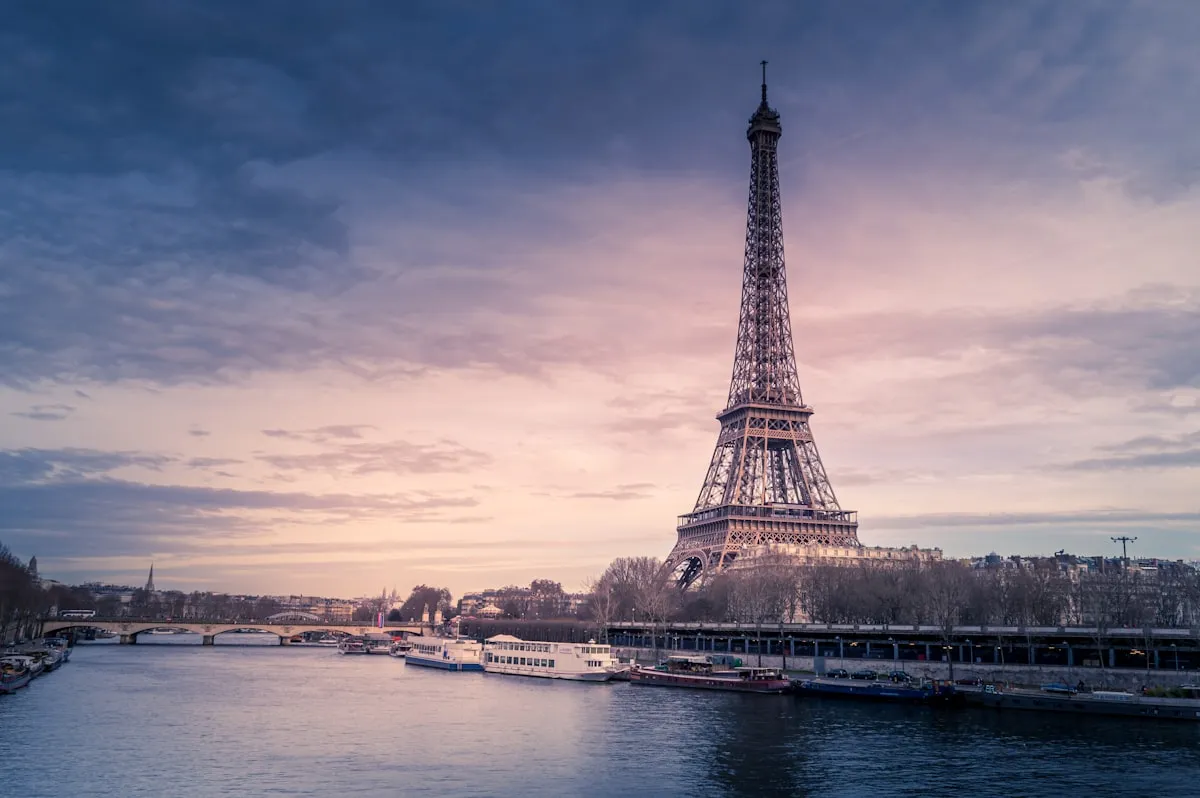
Paris, the City of Light, captivates millions with its timeless elegance. The Eiffel Tower, Louvre Museum, and Notre-Dame Cathedral are just the beginning—explore the artistic Montmartre, shop along the Champs-Élysées, and discover hidden gems in the Marais district. Beyond Paris, Lyon stands as France's gastronomic capital, where traditional bouchons serve authentic local cuisine. Marseille, the vibrant Mediterranean port city, offers a multicultural atmosphere, the historic Vieux-Port, and access to the stunning Calanques. Bordeaux enchants wine lovers with its UNESCO-listed city center and world-famous vineyards. Strasbourg, straddling the French-German border, showcases a unique blend of cultures with its stunning cathedral and charming Petite France quarter. Toulouse, the "Pink City," impresses with its aerospace heritage and brick architecture.
Highlights
Regions to Explore
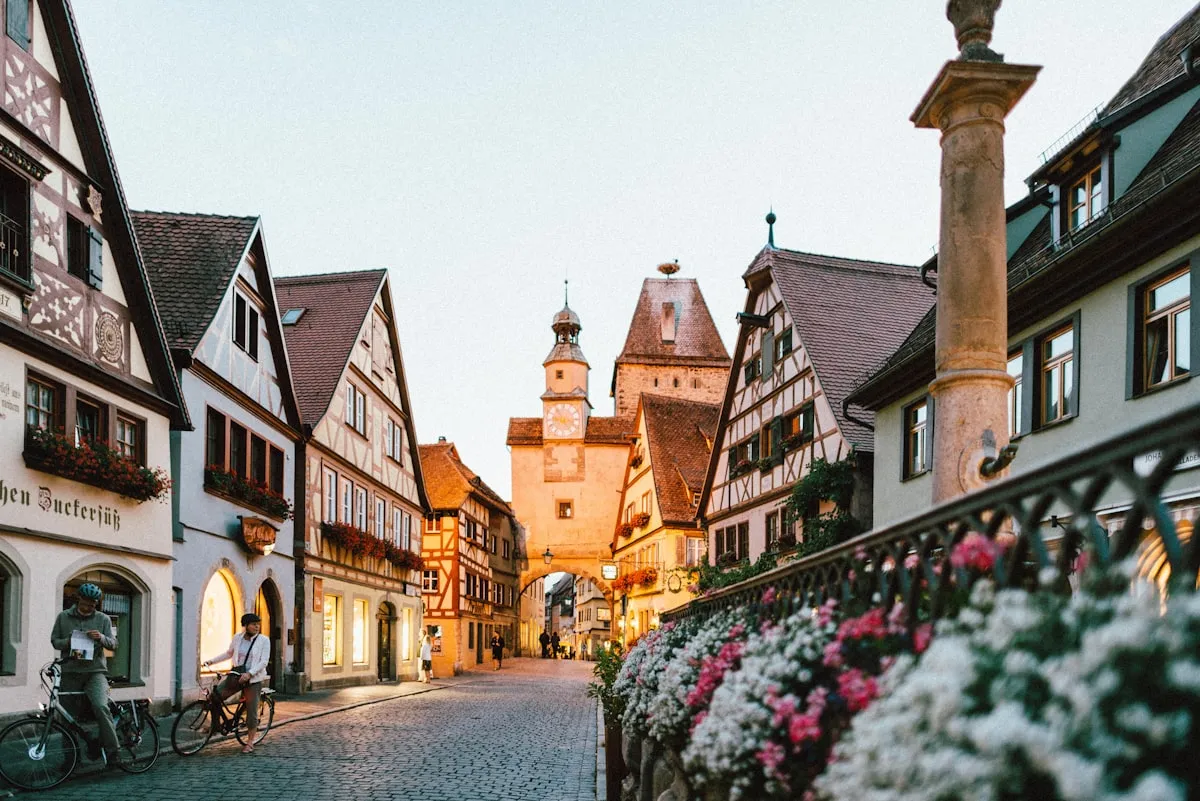
France's diverse regions offer dramatically different landscapes and experiences. The French Riviera (Côte d'Azur) dazzles with glamorous Nice, Cannes, and Saint-Tropez, plus the tiny principality of Monaco. Provence enchants with lavender fields, Roman ruins in Arles, and the papal palace of Avignon. The Loire Valley is château country, home to Chambord and Chenonceau. Normandy preserves D-Day history and offers the magical Mont Saint-Michel. Brittany provides rugged coastal beauty and Celtic heritage. The French Alps deliver world-class skiing in Chamonix and Courchevel. Alsace charms with half-timbered villages, Christmas markets, and the famous wine route. The Dordogne Valley combines prehistoric caves, medieval castles, and exceptional gastronomy.
Highlights
Culture and Traditions
French culture revolves around the art of living well—the famous "art de vivre." Meals are sacred occasions, often lasting hours with multiple courses. The French take pride in their language; attempting even basic phrases earns genuine appreciation. Fashion and style are everyday considerations, not just Parisian clichés. The tradition of the Sunday family lunch remains strong across the country. France's café culture invites leisurely conversation over espresso or wine. Cultural events punctuate the calendar: the Cannes Film Festival, Tour de France, Bastille Day celebrations on July 14th, and countless local festivals celebrating everything from lavender to truffles. Museums and galleries are integral to French life—many offer free admission on the first Sunday of each month.
Highlights
French Gastronomy
French cuisine, recognized by UNESCO as an Intangible Cultural Heritage, is a journey in itself. Start your day with fresh croissants and pain au chocolat from a local boulangerie. Lunch might feature a croque-monsieur or a traditional plat du jour. Dinner is an event—from coq au vin and boeuf bourguignon to bouillabaisse in Marseille or cassoulet in Toulouse. Each region has specialties: Burgundy's escargots, Brittany's crêpes, Alsace's choucroute, and Normandy's camembert. France's 400+ cheese varieties deserve exploration. Wine accompanies most meals—Bordeaux, Burgundy, Champagne, and the Rhône Valley produce world-renowned vintages. Don't miss the pastry shops: macarons, éclairs, tarte tatin, and mille-feuille are works of art. Markets (marchés) in every town offer the freshest local produce.
Highlights

Getting Around France
France boasts excellent transportation infrastructure. The TGV high-speed train network connects major cities at up to 320 km/h—Paris to Lyon takes just 2 hours, Paris to Marseille under 3.5 hours. Book tickets on SNCF Connect for the best prices. Regional TER trains serve smaller towns. In Paris, the metro system is efficient and affordable; consider a Navigo week pass for unlimited travel. Buses complement trains in rural areas, with companies like FlixBus offering budget options. Renting a car is ideal for exploring countryside regions like Provence, the Loire Valley, or the wine routes. Major airports include Paris CDG and Orly, Nice, Lyon, and Marseille. Within cities, cycling is increasingly popular—many cities have bike-sharing programs like Paris' Vélib'.
Highlights
Where to Stay
France offers accommodation for every budget and style. Luxury hotels include palatial establishments on the Champs-Élysées and boutique properties in Provence. Mid-range options range from charming family-run hotels to reliable chains like Ibis and Mercure. Budget travelers can choose hostels, particularly in Paris and major cities. For an authentic experience, consider chambres d'hôtes (B&Bs) in the countryside or gîtes (self-catering cottages) for longer stays. Airbnb is popular but regulated in Paris. In Paris, stay in the Marais for charm, Saint-Germain for elegance, or Montmartre for bohemian atmosphere. In the south, stay in Nice's Old Town or a Provençal mas (farmhouse). During peak season (July-August), book well in advance.
Highlights
Budget and Money
France uses the Euro (€). Budget travelers can manage on €60-80/day with hostel accommodation, supermarket meals, and free attractions. Mid-range travelers should expect €150-250/day including comfortable hotels, restaurant meals, and paid attractions. Luxury travel starts at €400+/day. Paris is significantly more expensive than other regions. Restaurants include service in the price, so tipping is optional—rounding up or leaving a few euros for exceptional service is appreciated. Credit cards are widely accepted, but carry some cash for markets and small purchases. Many museums offer reduced rates for EU residents under 26. The Paris Museum Pass offers value for heavy sightseers. Tax-free shopping is available for non-EU residents on purchases over €100.
Highlights

Safety and Health
France is generally very safe for travelers. Standard precautions apply: watch for pickpockets in tourist areas and on public transport, especially in Paris around major landmarks. Keep valuables secure and be aware of common scams like petition signers or friendship bracelet sellers. Healthcare is excellent—EU citizens should carry a European Health Insurance Card (EHIC), while others should have comprehensive travel insurance. Pharmacies (marked with green crosses) can provide advice for minor ailments. Tap water is safe throughout France. Emergency number is 112 (EU-wide) or 15 for medical emergencies, 17 for police. The French healthcare system is among the world's best, and doctors often speak English in tourist areas.
Highlights
Best Time to Visit
France is a year-round destination, with each season offering distinct experiences. Spring (April-June) brings mild weather, blooming gardens, and fewer crowds—ideal for Paris and the countryside. Summer (July-August) means peak season with festivals, beach weather, and longer days, but also higher prices and crowds. The lavender blooms in Provence from mid-June to mid-August. Autumn (September-November) offers wine harvest season, fall foliage, and pleasant temperatures. Winter (December-February) is perfect for skiing in the Alps, Christmas markets in Alsace, and enjoying Paris without summer crowds. The French Riviera enjoys mild winters. School holidays (especially August) see many Parisians leave the city, while some shops close.
Highlights
Suggested Itineraries
For one week, focus on Paris (3-4 days) with day trips to Versailles and Giverny, then take the TGV to Lyon or Nice for 2-3 days. A two-week trip allows deeper exploration: start in Paris, train to the Loire Valley for château visits, continue to Bordeaux for wine country, then down to the Côte d'Azur, returning via Lyon. Alternatively, combine Paris with Normandy (Mont Saint-Michel, D-Day beaches) and Brittany. For a southern France focus, fly into Nice, explore the Riviera and Monaco, drive through Provence (Avignon, Arles, Aix), and end in Marseille. Wine enthusiasts should consider routes through Burgundy, Champagne, or Alsace. Always allow time to simply wander and discover unexpected treasures.
Highlights

Stay Connected with eSIM
Staying connected in France enhances every aspect of your trip. Use Google Maps for navigation through Paris's maze of streets, translate menus at traditional restaurants, book last-minute reservations, share your experiences in real-time, and access train schedules on the go. Traditional roaming charges from your home carrier can quickly become expensive. With an eSIM from eSIM Go Fly, you get affordable, high-speed 4G/5G data across all of France. Simply purchase and activate before departure—you'll be connected the moment you land at Charles de Gaulle, Orly, or Nice airport. No need to find a local SIM card shop or deal with complicated activation processes. Your eSIM works seamlessly alongside your regular number, so you won't miss important calls.
Highlights
Essential Travel Tips for France
- Learn basic French phrases: Bonjour, Merci, S'il vous plaît—locals genuinely appreciate the effort
- Always greet shopkeepers with "Bonjour" when entering—it's considered rude not to
- Many shops close on Sundays and Monday mornings; plan accordingly
- Lunch service typically runs 12-2pm, dinner from 7:30pm onwards
- Book popular attractions (Louvre, Eiffel Tower, Versailles) online in advance
- The TGV high-speed train is often faster than flying between cities
- Validate train tickets before boarding at the yellow machines on platforms
- Carry a reusable water bottle—tap water is excellent and free
- August sees many Parisians on vacation; some local shops close but tourist areas remain open
- Service is included in restaurant bills, but small tips for exceptional service are appreciated
- Keep your passport handy for tax-free shopping if you're from outside the EU
- Download the SNCF Connect app for real-time train information
- Most museums are closed on Tuesdays (Louvre) or Mondays—check before visiting
- The Paris Visite pass offers unlimited public transport plus museum discounts
- Pharmacies (green cross) can recommend treatments for minor health issues
Stay Connected
Get instant mobile data with our eSIM plans. No roaming fees, easy activation, and reliable coverage throughout your trip.
View eSIM Plans