The United Arab Emirates has accomplished one of the most remarkable transformations in modern history, evolving from a quiet pearl-diving coastline into a global hub of innovation, luxury, and ambition in just five decades. This federation of seven emirates—Dubai, Abu Dhabi, Sharjah, Ajman, Umm Al Quwain, Ras Al Khaimah, and Fujairah—offers a fascinating study in contrasts: the world's tallest building stands alongside traditional wind-tower architecture, ancient souks thrive beside futuristic shopping malls, and Bedouin hospitality infuses ultramodern service. While Dubai and Abu Dhabi command most attention, the lesser-known emirates reward exploration with untouched beaches, mountain landscapes, and authentic culture. Whether you seek world-class shopping, architectural marvels, beach resorts, cultural immersion, or adventure in golden dunes, our comprehensive guide will help you navigate this extraordinary destination where dreams become reality.
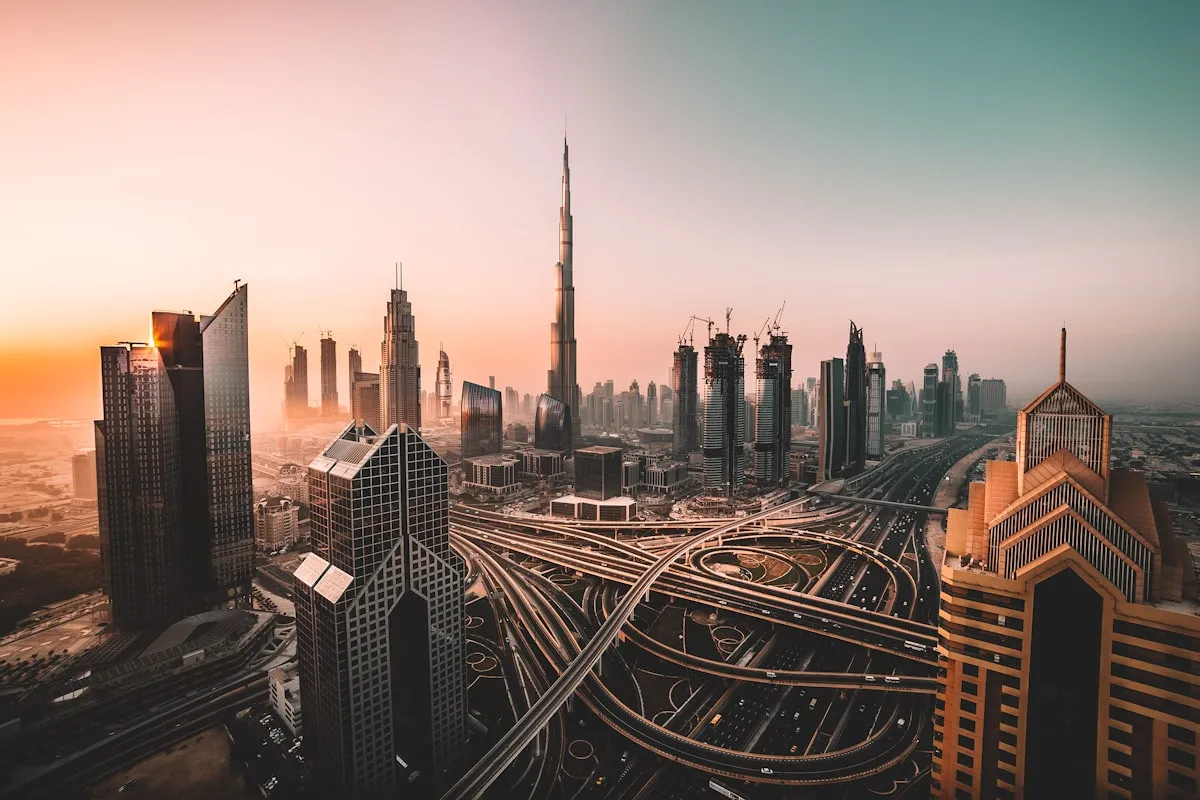
Dubai and Abu Dhabi
Dubai dazzles as the UAE's showpiece, a city that constantly reinvents the possible. The Burj Khalifa towers 828 meters as the world's tallest building—visit at sunset for magical views, then watch the Dubai Fountain's choreographed water shows below. The Dubai Mall combines 1,200 shops with an aquarium, ice rink, and indoor waterfall. Palm Jumeirah, the iconic palm-shaped island, hosts Atlantis resort with its waterpark. Dubai Marina's glittering towers and waterfront promenade buzz with restaurants and superyachts. Old Dubai reveals the city's soul: cross Dubai Creek on traditional abras (water taxis), wander the Gold Souk's glittering displays and Spice Souk's aromatic lanes, and explore the Al Fahidi Historical District's wind-tower houses now hosting galleries and cafes. Abu Dhabi, the capital, emphasizes culture and elegance. The Sheikh Zayed Grand Mosque—one of the world's largest and most beautiful—features 82 domes, 1,000 columns, and the world's largest hand-knotted carpet. Louvre Abu Dhabi floats under a stunning dome, housing world masterpieces. Saadiyat Island develops as a cultural district with future Guggenheim and Zayed National Museum branches.
Highlights
Other Emirates to Explore
Beyond the famous duo, six more emirates await discovery. Sharjah, just 20 minutes from Dubai, is the UAE's cultural capital, holding UNESCO recognition for its heritage preservation. The Sharjah Art Foundation hosts the region's premier contemporary art scene, while the Heritage Area preserves traditional architecture and museums. Ajman offers a quieter beach alternative with emerging resort development. Ras Al Khaimah surprises with dramatic Hajar Mountain scenery, the world's longest zipline at Jebel Jais (the UAE's highest peak at 1,934m), and adventure activities from via ferrata to glamping. The Al Wadi Desert Reserve combines conservation with luxury desert lodging. Fujairah, on the east coast facing the Gulf of Oman, provides the UAE's best diving and snorkeling, historic forts, and a completely different coastal vibe. Umm Al Quwain remains the least developed, perfect for birdwatching in mangroves and water sports. Each emirate maintains distinct character while sharing Emirati hospitality—consider day trips or overnight stays to experience the diversity beyond Dubai's glitter.
Highlights
Culture and Traditions
Emirati culture blends Bedouin heritage with Islamic faith and the hospitality traditions of Arabian merchants. Arabic coffee (gahwa) and dates remain central to welcoming guests—a tradition still practiced in homes, hotels, and businesses. The UAE actively preserves heritage despite rapid modernization: falconry remains a passion (the national bird), camel racing continues at dedicated tracks with robot jockeys, and traditional dhow boats still sail the Gulf. The call to prayer punctuates daily life from countless mosques. Dress is conservative: Emirati men wear white kandura (dishdasha) robes and headdress, while women wear black abayas. Visitors should dress modestly, particularly in public areas beyond beach resorts. Ramadan (dates vary annually) transforms social life with daytime fasting and evening iftar feasts—non-Muslims should avoid eating publicly during daylight. Friday is the holy day and weekend, with Friday brunch becoming a beloved expatriate tradition. The UAE population is remarkably diverse: Emiratis comprise only about 10% of residents, with the remainder being expatriates from South Asia, Philippines, Europe, and beyond, creating a truly cosmopolitan atmosphere.
Highlights
Gastronomy
UAE cuisine reflects its position as an ancient trading crossroads and modern melting pot. Traditional Emirati food features grilled meats, fragrant rice dishes like machboos (spiced rice with meat), and seafood reflecting coastal heritage. Dates in countless varieties are ubiquitous, from breakfast to dessert. Arabic coffee is served continuously, light and cardamom-scented. Lebanese, Iranian, Indian, and Pakistani influences are inescapable—shawarma stands, Iranian kebab houses, and Indian curry restaurants populate every neighborhood. The UAE has become a global dining destination: Dubai alone boasts numerous Michelin-starred restaurants, with world-famous chefs opening outposts. Friday brunch is a social institution—hotels compete with elaborate buffets, free-flowing beverages, and entertainment, ranging from family-friendly to party atmosphere. Street food thrives: try manakish (flatbread with za'atar or cheese), kunafa (sweet cheese pastry), and fresh fruit juices everywhere. Desert safari dinners offer themed Bedouin experiences with BBQ, traditional entertainment, and shisha. The Dubai Mall's food hall and Mall of the Emirates showcase international cuisines. For authentic local food, seek out older neighborhoods in Deira, Sharjah, and Abu Dhabi.
Highlights

Transportation
The UAE's excellent infrastructure makes getting around straightforward. Dubai International Airport (DXB) is one of the world's busiest, with Emirates providing global connections. Abu Dhabi International Airport (AUH) serves the capital with Etihad Airways. Dubai Metro is modern, air-conditioned, and connects major attractions including the airport—the Red and Green lines are useful for tourists. Metro cards (Nol) also work on buses and trams. Taxis are plentiful, clean, metered, and affordable—apps like Careem and Uber operate widely. The Dubai Tram connects JBR and Marina areas. Dubai-Abu Dhabi distance is about 130km (1.5 hours by car), with frequent buses and taxis. Renting a car offers flexibility, especially for exploring other emirates; roads are excellent and driving is straightforward (right-hand side). International permits are technically required but rarely checked. Abu Dhabi's public transport is less developed; taxis and rental cars are most practical. Water taxis (abras) in Dubai Creek cost mere dirhams and provide atmospheric crossings. For the desert, book tours with 4WD transport—regular cars won't manage sand dunes.
Highlights
Accommodation
UAE accommodation ranges from ultra-luxury to surprisingly affordable. Dubai pioneered hotel extravagance: the Burj Al Arab remains the iconic sail-shaped symbol of excess, while Atlantis The Palm offers aquatic adventures. World-famous chains operate flagship properties: Four Seasons, St. Regis, Armani, and dozens more compete for superlatives. Beach resorts line both Palm Jumeirah and JBR (Jumeirah Beach Residence). Business hotels cluster in Downtown Dubai around the Burj Khalifa and in the DIFC financial district. Budget options exist—check Deira and Bur Dubai for older but decent hotels at fraction of the prices. Abu Dhabi offers similar spread: Emirates Palace defines palatial luxury, while Saadiyat Island hosts beach resorts, and the city center has business hotels. For unique experiences, consider desert camps—from basic Bedouin-style to ultra-luxury at Al Maha or Qasr Al Sarab in Abu Dhabi. Sharjah offers value accommodation close to Dubai. Ras Al Khaimah has emerging beach and mountain resorts. Booking in advance helps during peak season (December-February), major events, and holidays, but deep discounts appear in summer despite the heat.
Highlights
Budget and Money
The UAE Dirham (AED) is pegged to the US dollar at approximately 3.67 AED per USD, making currency exchange predictable. ATMs are everywhere and accept international cards. Credit cards work in most places, though small shops and taxis sometimes prefer cash. The UAE can be expensive—Dubai especially so—but budgets are manageable with planning. Budget travelers might manage 300-400 AED ($80-110) daily using metro, modest hotels in Deira, and local restaurants. Mid-range budgets of 700-1000 AED ($190-270) allow comfortable hotels, nicer dining, and activities. Luxury is limitless—five-star hotels easily exceed 1500 AED ($400) nightly, and fine dining matches European capitals. Street food and local restaurants offer excellent value: shawarma 10-15 AED, Indian curry 20-30 AED. Mall food courts provide variety at reasonable prices. Alcohol is expensive as it's only sold at licensed venues (hotel bars and restaurants)—expect 40-60 AED per drink. Friday brunches range from 200-600 AED per person. Tipping isn't mandatory but appreciated; 10-15% at restaurants is generous. Bargaining is expected in traditional souks—start at half and settle around 60-70%.
Highlights

Safety and Health
The UAE is exceptionally safe, with very low crime rates and strict law enforcement. Violent crime is extremely rare, and petty theft uncommon. Women generally feel safe traveling alone, though cultural modesty is expected. The main safety concerns are heat and sun: summer temperatures exceed 45°C with high humidity, causing heat exhaustion risks for unprepared visitors. Stay hydrated, wear sunscreen, and limit outdoor activities during peak heat (11am-3pm). Healthcare is excellent but expensive—travel insurance is essential. Pharmacies are abundant and well-stocked. Tap water is desalinated and safe but most prefer bottled. The legal system follows Sharia principles with some interpretation; public displays of affection are frowned upon, cohabitation for unmarried couples is technically illegal (though rarely enforced for tourists in hotels), and drug laws are extremely strict (do not bring any recreational substances). Alcohol is only legal in licensed premises. Respect during Ramadan requires discretion about eating and drinking publicly. Photography of government buildings, military installations, and people (especially women) without permission can cause issues. Emergency services: dial 999 for police, 998 for ambulance.
Highlights
Best Time to Visit
The UAE has two seasons: hot and hotter. The best time to visit is winter (November to March), when temperatures are pleasant at 20-30°C, perfect for outdoor activities, beach time, and desert adventures. December-January is peak season with highest prices and largest crowds, including many events and festivals. The Dubai Shopping Festival typically runs January-February with sales and entertainment. Spring (April-May) sees rising temperatures but fewer crowds and decent prices. Summer (June-September) is brutally hot, often exceeding 45°C with oppressive humidity—outdoor activities become impractical, but hotels offer dramatic discounts (sometimes 50% off), malls are air-conditioned, and indoor attractions function normally. Autumn (October) transitions back to bearable temperatures. Ramadan (dates shift annually based on lunar calendar) affects daily rhythm—restaurants close during daylight hours (though hotels serve guests), and the atmosphere is contemplative, but iftar feasts after sunset offer unique cultural experiences. Major events include the Dubai World Cup horse race (March), Abu Dhabi Grand Prix Formula 1 (November), and various arts festivals throughout the cooler months.
Highlights
Suggested Itineraries
One Week - Dubai & Abu Dhabi: Days 1-4 in Dubai: Downtown (Burj Khalifa, Dubai Mall, Dubai Fountain), Old Dubai (Creek, souks, Al Fahidi), beach time at JBR or Palm Jumeirah, Dubai Marina evening. Day trip desert safari with sunset, BBQ dinner, and entertainment. Days 5-6 in Abu Dhabi: Sheikh Zayed Grand Mosque (morning light is best for photos), Louvre Abu Dhabi, Corniche, optional Yas Island for Ferrari World or waterparks. Day 7 for shopping, relaxation, or additional attractions. Two Weeks - Extended UAE: Add 2-3 days exploring other emirates: day trip to Sharjah's cultural attractions, overnight in Ras Al Khaimah for mountain adventures and beach time, day in Fujairah for diving or snorkeling in the Gulf of Oman. Include more Dubai experiences: The View at The Palm, Museum of the Future, Global Village (seasonal), or day cruise. Spend an extra night in the desert at a luxury camp. Three Days Budget: Focus on essentials—Old Dubai souks and Creek (free/cheap), Burj Khalifa visit (book ahead online for better prices), beach day at public beaches, mall exploration (free), and a budget desert safari. Many mosques offer free tours, and walking through Dubai Marina costs nothing.
Highlights

Staying Connected
Staying connected in the UAE is straightforward with excellent infrastructure. Mobile coverage (4G/5G) blankets the entire country, including desert areas on main routes. The two main carriers are Etisalat and Du, both offering reliable coverage. An eSIM provides instant connectivity upon arrival without finding physical SIM vendors—ideal for the modern traveler. Free WiFi is available at malls, hotels, airports, and many restaurants and cafes, though quality varies. Important note: the UAE restricts VoIP services including standard WhatsApp calls, Skype, and FaceTime audio—only licensed services work, though messaging apps function normally. Hotels sometimes offer licensed calling services. VPN use exists in a legal gray area. Most international roaming works but is expensive. Essential apps: Google Maps for navigation, Careem/Uber for taxis, Zomato/Talabat for food delivery, Visit Dubai and Visit Abu Dhabi official apps for events and information. The UAE uses Type G electrical outlets (same as UK) at 220V—bring adapters if coming from US/Europe. Despite restrictions, the UAE remains highly connected, and having mobile data transforms navigation, translation, and trip planning significantly.
Highlights
Travel Tips for the UAE
- Dress modestly in public—cover shoulders and knees; beachwear only at pools and beaches
- Alcohol is only available at licensed hotels and venues; don't drink or appear intoxicated in public
- Public displays of affection (even for married couples) are frowned upon; keep it discreet
- Photography of people, especially women, requires explicit permission
- Friday is the holy day—expect some shops closed in mornings; Friday brunch is the social highlight
- During Ramadan, don't eat, drink, or smoke in public during daylight hours
- Drug laws are extremely strict—even trace amounts can lead to imprisonment
- Tap water is safe but bottled water is preferred and cheap
- Bargain at traditional souks; prices in malls are fixed
- Book Burj Khalifa tickets online in advance—it's cheaper and avoids queues
- Summer visits mean extreme heat but hotel rates drop 40-60%
- Public transport (metro/tram) is excellent in Dubai; use Nol cards
- The weekend is Friday-Saturday; plan activities accordingly
- Carry cash for taxis, small shops, and older areas
- Desert safaris are best booked for sunset—the light and temperatures are ideal
Stay Connected
Get instant mobile data with our eSIM plans. No roaming fees, easy activation, and reliable coverage throughout your trip.
View eSIM Plans