Morocco offers an intoxicating blend of ancient medinas, Saharan landscapes, mountain villages, and Atlantic beaches that makes it one of the world's most captivating destinations. Just a short flight from Europe, this North African kingdom feels like stepping into another world—one where medieval markets bustle with life, the call to prayer echoes from minarets, and the scent of spices fills the air. For thousands of years, Morocco has sat at the crossroads of African, Arab, and European civilizations, creating a unique cultural tapestry reflected in its architecture, cuisine, and traditions. From the labyrinthine souks of Marrakech and Fes to the dramatic peaks of the Atlas Mountains, from Saharan dunes stretching to the horizon to surf towns along the Atlantic coast, Morocco rewards travelers with sensory experiences and genuine hospitality. Our comprehensive guide will help you navigate this enchanting kingdom while staying connected throughout your journey.
Marrakech and Major Cities
Marrakech, the "Red City," is Morocco's most famous destination and the perfect introduction to the country's sensory delights. The medina's heart is Jemaa el-Fnaa, a UNESCO-recognized square that transforms from daytime market to evening carnival with snake charmers, musicians, storytellers, and food stalls. Surrounding souks (markets) specialize in leather, metalwork, textiles, and spices—prepare to bargain. Stay in a riad, a traditional house with interior courtyard, for authentic accommodation. The elegant Majorelle Garden provides peaceful escape, while Bahia Palace showcases Islamic architecture. Fes, the spiritual and intellectual capital, has the world's largest car-free urban area—its medina has remained largely unchanged for a millennium. The famous tanneries (best viewed from surrounding terraces), medieval madrasas (Koranic schools), and 9,000+ streets create an unrivaled medieval atmosphere. Casablanca, Morocco's modern economic hub, impresses with the Hassan II Mosque, one of the world's largest. Rabat, the political capital, offers the kasbah des Oudaias, royal palace, and Mediterranean calm. Tangier, gateway to Africa, blends international influences with medina charm.
Highlights
Regions to Explore
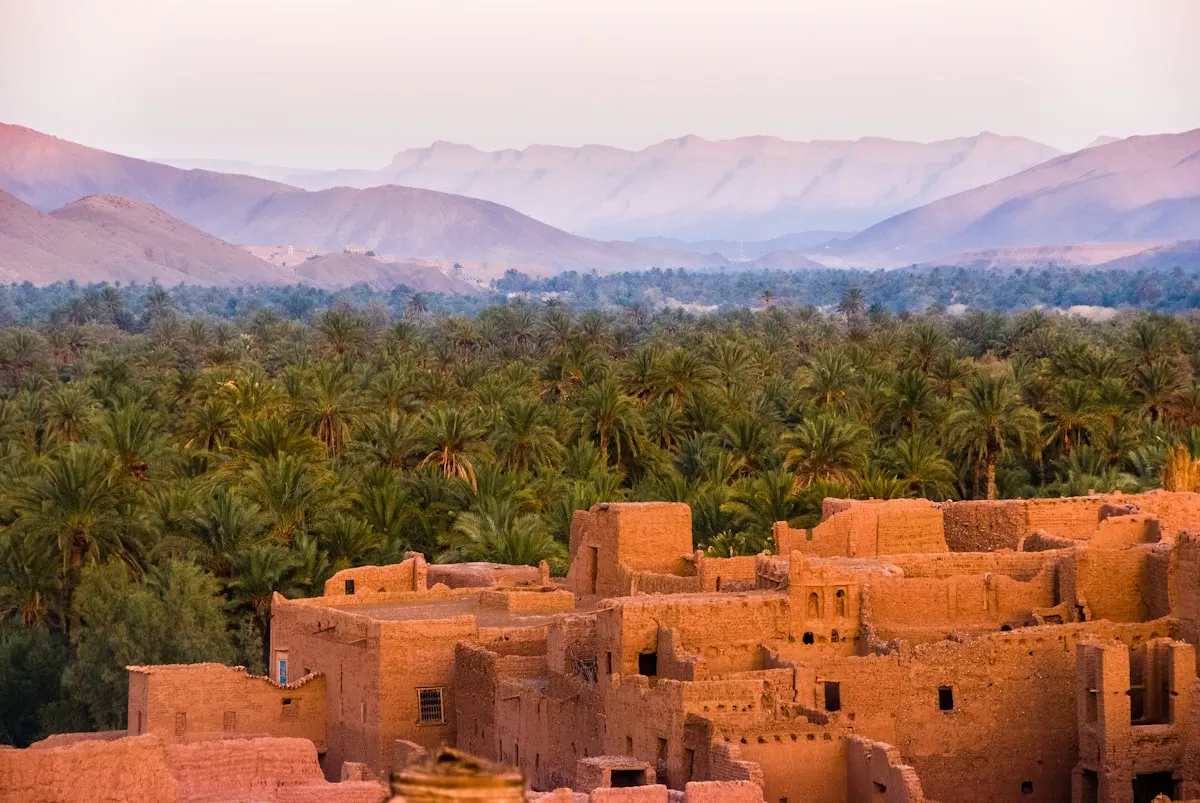
Morocco's diverse geography offers distinct regional experiences. Chefchaouen, the "Blue City" in the Rif Mountains, enchants with its blue-washed buildings, mountain setting, and relaxed atmosphere—perfect for photography and gentle wandering. The Atlas Mountains divide the country, with the High Atlas offering trekking including North Africa's highest peak, Jebel Toubkal (4,167m). Berber villages dot the valleys, and the Dades and Todra Gorges feature dramatic canyon landscapes. The Sahara Desert provides Morocco's most unforgettable experience: camel treks to desert camps, sleeping under infinite stars, and watching sunrise paint the dunes. Erg Chebbi near Merzouga offers accessible dune experiences, while Erg Chigaga provides more remote wilderness. The Atlantic coast features Essaouira, a wind-swept former Portuguese port popular with surfers and artists, and Agadir for beach resort experience. The southern coast from Agadir to Dakhla is increasingly popular for surfing and kitesurfing. The oasis valleys of the south—Draa Valley and Ziz Valley—showcase palm groves, kasbahs, and traditional Berber life. Ouarzazate, gateway to the desert, hosts film studios where Lawrence of Arabia and Game of Thrones were filmed.
Highlights
Culture and Traditions
Moroccan culture reflects centuries of Arab, Berber (Amazigh), African, and European influences woven into a unique tapestry. Islam shapes daily life—the call to prayer sounds five times daily, Ramadan is observed seriously, and mosques (generally closed to non-Muslims except Hassan II in Casablanca) anchor communities. Hospitality is sacred: expect offers of mint tea and genuine warmth from locals. Berber culture, predating Arab arrival, remains strong especially in mountain and desert regions—look for distinctive music, jewelry, and textiles. Traditional crafts flourish: each region specializes in particular products (Fes leather and ceramics, Marrakech metalwork and carpets, Essaouira thuya wood). The hammam (public bath) remains central to Moroccan life—visiting one is a cultural must. Traditional dress includes the djellaba (hooded robe) and colorful kaftans. Music ranges from Gnawa (spiritual music with African roots) to Andalusian classical and Berber folk traditions. Moroccan architecture features intricate geometric patterns (since figurative art is limited in Islamic tradition), zellige tilework, carved stucco, and painted cedar ceilings. Festivals include religious holidays and cultural events like Fes's Sacred Music Festival and Gnaoua Festival in Essaouira.
Highlights
Gastronomy
Moroccan cuisine is one of the world's great culinary traditions, blending Arab, Berber, and Mediterranean influences with African spices. Tagine is the iconic dish: slow-cooked stews named for the conical clay pot in which they're prepared, typically featuring lamb, chicken, or vegetables with preserved lemons, olives, and aromatic spices like cumin, ginger, saffron, and ras el hanout. Couscous, the traditional Friday lunch, is hand-rolled semolina served with meat and vegetables. Pastilla combines sweet and savory—pigeon or chicken in phyllo pastry dusted with sugar and cinnamon. Street food is excellent: find msemen (layered flatbread), harira (tomato and lentil soup, especially during Ramadan), and freshly grilled brochettes. Moroccan salads (zaalouk, taktouka) showcase eggplant and tomatoes. Mint tea, poured ceremonially from height into small glasses, punctuates every social interaction—refusing is impolite. Moroccan pastries feature almonds, honey, and orange flower water. Freshly squeezed orange juice from Jemaa el-Fnaa's stalls costs mere dirhams. Dining out ranges from humble street stalls to elegant palace restaurants (often with entertainment). Food tours and cooking classes offer excellent cultural immersion.
Highlights

Transportation
Morocco's transportation network connects cities efficiently, though standards vary. The new high-speed train (Al Boraq) links Tangier to Casablanca in just over two hours, with connections to Rabat and Marrakech. Regular trains connect major cities comfortably—book first class for air conditioning and reserved seats. CTM and Supratours operate quality long-distance buses reaching destinations trains don't. Grand taxis (shared long-distance taxis, usually old Mercedes) are faster than buses but cramped—you can pay for multiple seats for comfort. Within cities, petit taxis (small taxis) are metered and cheap; insist drivers use meters or agree on price beforehand. Ride-sharing apps like InDriver operate in larger cities. Rental cars offer flexibility for regions like the Atlas Mountains and desert fringes—roads are generally good, though mountain passes can be challenging. Drive on the right. International permits are technically required. For Sahara excursions, organized tours with 4WD vehicles are essential—don't attempt desert driving independently. Domestic flights connect Casablanca to other cities but are rarely necessary given ground transport options. Within medinas, walking is the only option—the maze-like streets are car-free.
Highlights
Accommodation
Morocco offers accommodation as diverse as its landscapes. Riads—traditional houses with interior courtyards—provide the quintessential Moroccan experience. Once family homes, many are now boutique hotels with just a handful of rooms, offering personalized service and oases of calm behind medina doors. Riads range from simple budget options to ultra-luxury with rooftop pools. Booking in advance is recommended, especially in Marrakech and Fes. International hotel chains operate in major cities, particularly in the ville nouvelle (new town) areas. Kasbahs—fortified buildings in southern Morocco—have been converted into atmospheric hotels, especially along the desert routes. Desert camps range from basic Berber tents to glamping luxury with ensuite bathrooms and gourmet dining under the stars. Mountain refuges and gîtes (guesthouses) serve trekkers in the Atlas. Essaouira and beach towns offer seaside options from hostels to boutique hotels. Budget travelers find hostels in tourist areas and basic hotels throughout. For unique experiences, consider staying in a working farm (ferme d'hôte) or converted palace. Peak season (Easter, Christmas, October-November) requires advance booking, especially for popular riads.
Highlights
Budget and Money
The Moroccan Dirham (MAD) is the currency—exchange at banks or official bureaux de change rather than informal exchangers. ATMs are common in cities and tourist areas; smaller towns may have limited access. Credit cards are accepted at hotels and upscale restaurants but cash remains essential for souks, small restaurants, and most daily transactions. Morocco offers excellent value for travelers. Budget travelers can manage on 300-400 MAD ($30-40) daily using hostels, street food, and local transport. Mid-range budgets of 800-1200 MAD ($80-120) allow comfortable riads, restaurant meals, and guided activities. Luxury easily exceeds 2000+ MAD with palace hotels and private tours. Street food meals cost 20-40 MAD, restaurant tagines 60-100 MAD, and upscale dining 200-400 MAD. Bargaining is expected and essential in souks—start at a third of the asking price and settle around 50-60%. Fixed prices exist in cooperatives and some shops (often marked "prix fixe"). Tipping is customary: 10-15% at restaurants (round up for casual meals), 20-50 MAD for guides, 10-20 MAD for small services. During Ramadan, many restaurants close during daylight but riads and tourist-oriented places serve guests.
Highlights

Safety and Health
Morocco is generally safe for travelers, with low violent crime rates. The main concerns are petty issues: pickpockets in crowded medinas, aggressive touts and "guides" offering unwanted services, and scams targeting tourists. Common scams include being led into souks then charged guide fees, false claims shops are closed, and inflated taxi prices. Politely decline unsolicited help and agree on prices beforehand. Walking confidently and ignoring persistent sellers is effective. Getting lost in medinas is inevitable—locals will help you find your way (small tip appreciated). For women travelers, Morocco is manageable but expect attention—dress modestly (covering shoulders and knees), avoid walking alone late at night, and consider telling persistent admirers you're married. Healthcare is adequate in cities; private clinics offer good care. Pharmacies are well-stocked. Travel insurance is recommended. Tap water is not recommended for drinking—bottled water is cheap and ubiquitous. Be cautious with salads, ice, and raw foods initially. Heat and sun in summer (especially desert regions) require precautions. Mountain weather changes rapidly—come prepared if trekking. Emergency numbers: Police 19, Medical 15.
Highlights
Best Time to Visit
Morocco's diverse geography means optimal timing varies by destination. Spring (March-May) and autumn (September-November) offer the best overall conditions—mild temperatures comfortable for city exploration, mountain trekking, and desert visits. Summer (June-August) brings extreme heat to Marrakech, Fes, and the desert (40°C+), making midday sightseeing brutal; coastal cities like Essaouira remain pleasant. Winter (December-February) is mild in cities but cold in mountains and desert nights—snow closes high Atlas passes and offers skiing at Oukaïmeden. For Sahara visits, October-November and March-April balance comfortable daytime temperatures with manageable nights. Ramadan (dates shift annually) affects daily rhythms: many restaurants close during daylight, but the evening iftar celebrations offer unique cultural experiences, and the month ends with Eid al-Fitr festivities. Christmas and New Year see high tourist numbers and prices. Major festivals like the Fes Sacred Music Festival (June) and Gnaoua Festival in Essaouira (June) attract crowds but offer fantastic cultural experiences—book accommodation months ahead. The shoulder seasons combine good weather with fewer tourists.
Highlights
Suggested Itineraries
One Week - Imperial Cities & Desert: Marrakech (2-3 days) exploring medina, souks, gardens, and palaces. Drive or fly to Fes (2-3 days) for the world's greatest medieval medina. Optionally add Chefchaouen (1-2 days) if time permits. Alternatively, Marrakech (2 days) then three-day Sahara circuit through Atlas Mountains, Dades Gorge, Merzouga desert camp, and return via Ouarzazate. Two Weeks - Comprehensive Morocco: Marrakech (3 days), Essaouira coast (2 days), Sahara desert excursion (3 days including Ait Benhaddou, Todra Gorge, Merzouga), Fes (3 days), Chefchaouen (2 days), Tangier or Rabat (1 day). Three Weeks or More: Add Atlas Mountain trekking from Imlil (2-3 days), explore the Draa Valley, venture to Dakhla for world-class kitesurfing, or relax in Agadir. Include lesser-visited Meknes and Volubilis Roman ruins near Fes. For repeat visitors: focus on specific regions—deep Atlas trekking, coastal surf camps, or extensive desert exploration including remote Erg Chigaga. Cooking classes, craft workshops, and volunteer opportunities offer deeper engagement with Moroccan culture.
Highlights

Staying Connected
Staying connected in Morocco is straightforward in tourist areas. Mobile coverage (4G) is good in cities and along main routes, though remote mountain and desert areas have limited signal. Major carriers are Maroc Telecom (best coverage), Orange, and Inwi. An eSIM provides instant connectivity upon arrival without navigating local SIM vendors—particularly useful since airport SIM purchases can be pushy. WiFi is available at most hotels, riads, and cafes, though speeds vary widely—don't expect fast connections outside major cities. Many desert camps now offer WiFi, though quality is basic. For Sahara excursions and mountain treks, download offline maps and content beforehand. French is widely spoken alongside Arabic and Berber, making communication relatively easy for French speakers. Essential apps include Google Maps (download offline maps for medinas), French/Arabic translators, WhatsApp for local communication, and your preferred ride app. Morocco uses Type C/E electrical outlets at 220V—same as continental Europe. Having reliable data access helps enormously for navigation (medinas are genuinely confusing), translation, finding restaurants, and booking transport throughout your Moroccan adventure.
Highlights
Travel Tips for Morocco
- Bargaining is expected in souks—start at a third of the asking price and enjoy the process
- Dress modestly, especially women: cover shoulders and knees; it reduces unwanted attention
- French is widely spoken; learn a few Arabic phrases (salaam, shukran) for warm reception
- Never drink tap water; bottled water is cheap and available everywhere
- Tipping is customary: 10-15% at restaurants, 10-20 MAD for small services
- Politely decline unsolicited "guides"—agree on any fees before accepting help
- Getting lost in medinas is part of the experience; locals will help you find your way
- Carry small bills and coins; breaking large notes can be difficult
- Mint tea is offered constantly—accepting is polite and part of the culture
- Riads are the quintessential accommodation—book ahead for popular choices
- During Ramadan, be respectful: don't eat or drink publicly during daylight hours
- For Sahara trips, book reputable tour operators with good safety records
- Hammam visits are a cultural must—many riads have their own or can arrange visits
- Photography of people requires permission; some expect tips
- The left hand is considered unclean—use your right hand for eating and giving/receiving
Stay Connected
Get instant mobile data with our eSIM plans. No roaming fees, easy activation, and reliable coverage throughout your trip.
View eSIM Plans