Mexico enchants visitors with an incredible diversity that few countries can match: ancient Mayan and Aztec ruins that rival Egypt's pyramids, pristine Caribbean beaches that define paradise, colonial cities frozen in time, and one of the world's great cuisines now recognized by UNESCO. From the sophisticated streets of Mexico City—one of the world's largest metropolises—to the turquoise waters of the Riviera Maya, from the mystical traditions of Oaxaca to the desert landscapes of Baja California, Mexico offers adventures for every traveler. The warmth of its people, the vibrancy of its culture, and the richness of its history make this North American neighbor feel like an entirely different world. Whether you seek beach relaxation, archaeological exploration, culinary adventures, or colonial charm, our comprehensive guide will help you discover the many faces of this extraordinary country.
Mexico City and Major Destinations
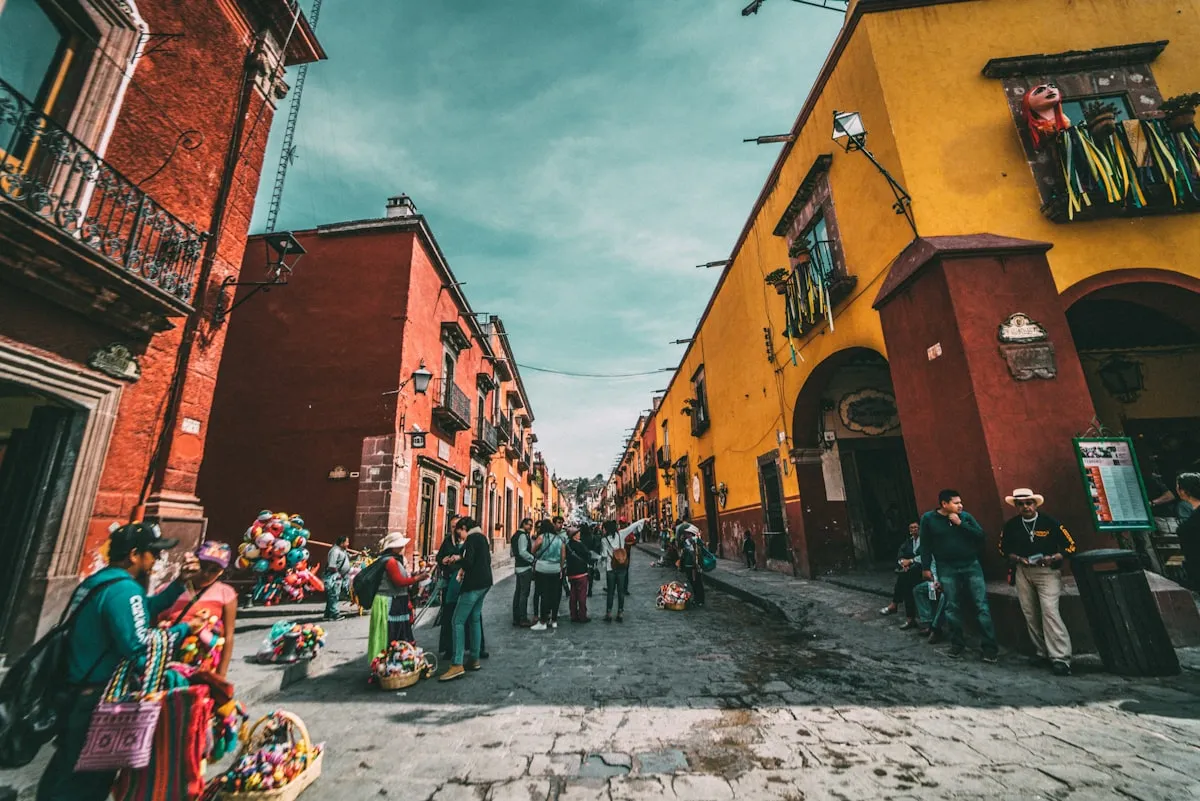
Mexico City (CDMX) is one of the world's greatest cities, a sprawling metropolis of 21 million people built atop the ancient Aztec capital of Tenochtitlan. The historic Centro Histórico features the massive Zócalo plaza, the ornate Metropolitan Cathedral, and the Templo Mayor ruins. Nearby Teotihuacan's Pyramids of the Sun and Moon predate the Aztecs and offer unforgettable climbing experiences. The Museo Nacional de Antropología is among the world's finest museums. Trendy neighborhoods Roma and Condesa offer tree-lined streets, Art Deco architecture, and Mexico City's famous food scene. Coyoacán charms with its bohemian atmosphere and Frida Kahlo's Blue House. Xochimilco's colorful trajineras (boats) provide unique floating garden experiences. Guadalajara, Mexico's second city, offers tequila country, mariachi music, and colonial architecture. Monterrey combines business with dramatic mountain scenery. Puebla dazzles with colonial splendor and mole cuisine. San Miguel de Allende attracts artists and expats with its preserved colonial beauty.
Highlights
Regions to Explore
The Yucatan Peninsula offers the best of beach and culture. Cancun's hotel zone provides all-inclusive resort experiences, while nearby Playa del Carmen offers a more walkable beach town vibe. Tulum combines stunning clifftop ruins with bohemian beach clubs and cenotes. Chichen Itza, one of the New Seven Wonders, showcases Mayan brilliance. The colonial city of Mérida serves as the peninsula's cultural heart, with Valladolid offering smaller-town charm. Oaxaca in the south is Mexico's cultural soul—indigenous traditions, mezcal, incredible markets, and cuisine that rivals any in the country. Monte Albán's Zapotec ruins and Hierve el Agua's petrified waterfalls await exploration. The Pacific coast offers Puerto Vallarta's gay-friendly resort scene, Sayulita's surfing village, and remote beaches of Oaxaca's coast. Baja California provides desert meets ocean landscapes, world-class wine in Valle de Guadalupe, and whale watching in winter. Copper Canyon in the northwest rivals the Grand Canyon in scale. Chiapas features Mayan ruins at Palenque and the colonial gem of San Cristóbal de las Casas.
Highlights
Culture and Traditions
Mexican culture is a rich tapestry woven from indigenous roots, Spanish colonial heritage, and modern creativity. Day of the Dead (Día de los Muertos) in late October/early November is the most distinctive celebration—cemeteries come alive with marigolds, candles, and families honoring deceased loved ones with ofrendas (altars). Each region maintains distinct indigenous traditions: Oaxaca's Zapotec and Mixtec cultures, Chiapas's Maya communities, and the Huichol (Wixárika) in the western mountains. Catholicism blends with pre-Hispanic beliefs in fascinating ways. Music ranges from mariachi (UNESCO-recognized) to norteño, banda, and contemporary rock. Folk art thrives: Oaxacan alebrijes (fantastical creatures), Talavera pottery from Puebla, textiles from Chiapas, and silver from Taxco. Markets (mercados) remain central to daily life, offering produce, crafts, and prepared foods. Fiestas celebrating patron saints, independence (September 16), and other occasions feature parades, fireworks, and community gatherings. Mexicans are renowned for warmth and hospitality—family and friendship are paramount values.
Highlights
Gastronomy
Mexican cuisine, recognized by UNESCO as Intangible Cultural Heritage, extends far beyond the Tex-Mex many know. Each region boasts distinct specialties with ancient roots. Tacos reign supreme—seek out al pastor (spit-roasted pork with pineapple), carnitas (slow-cooked pork), barbacoa (slow-cooked beef), and fresh fish tacos. Oaxaca offers the most complex cuisine: seven types of mole (rich, complex sauces), tlayudas (giant crispy tortillas), chapulines (grasshoppers), and the finest mezcal. The Yucatan features cochinita pibil (slow-roasted pork in achiote), papadzules (egg-filled tortillas in pumpkin seed sauce), and sopa de lima. Puebla claims mole poblano and chiles en nogada (seasonal, patriotic-colored dish). Seafood aguachiles and ceviches shine along both coasts. Street food culture is essential: tamales, elotes (grilled corn), tortas ahogadas in Guadalajara, and countless regional specialties. Mexican beverages include tequila (from blue agave in Jalisco), mezcal (smoky, from Oaxaca and beyond), and aguas frescas (fruit waters). Mexico City's food scene now includes world-class fine dining alongside incredible street food.
Highlights

Transportation
Mexico's transportation options suit various travel styles. Domestic flights connect major cities affordably—Volaris, VivaAerobus, and Aeromexico operate frequent routes. Mexico City's Benito Juárez Airport (MEX) is the main hub, though the new Felipe Ángeles (NLU) is expanding. For the Yucatan, fly into Cancun or Mérida. First-class buses (ADO, ETN, Primera Plus) rival flying for comfort on medium distances, with air conditioning, movies, and reclining seats—book on their apps or at terminals. Second-class buses reach everywhere but take longer. Mexico City's metro is extensive and incredibly cheap (about $0.25), though crowded at rush hour; the Metrobús and Ecobici bike-sharing complement it. Uber and DiDi operate in major cities and are often safer than street taxis. Renting a car offers flexibility for regions like the Yucatan, Oaxaca's coast, and Baja California—roads are generally good. International driving permits aren't required. Within tourist areas, colectivos (shared vans) run fixed routes cheaply. In cities, use Uber or trusted taxi stands (sitios) rather than hailing cabs on the street.
Highlights
Accommodation
Mexico offers accommodation for every budget and style. All-inclusive resorts dominate Cancun and the Riviera Maya—book packages for best value. Boutique hotels flourish in Mexico City's Roma and Condesa, Oaxaca, San Miguel de Allende, and other cultural destinations. For authentic experiences, stay in a hacienda (converted colonial estate)—the Yucatan has particularly beautiful examples. Budget travelers find excellent hostels in tourist areas and affordable posadas (guesthouses) throughout. Airbnb operates widely, especially good for longer stays or groups. In beach towns like Tulum, options range from beachfront luxury to jungle glamping. Colonial cities offer converted mansions and historic hotels. For adventure, consider eco-lodges in Chiapas or the Oaxacan coast. Mexico City's best areas to stay are Roma/Condesa for hipster vibes, Polanco for luxury, and Centro for historic immersion. Beach destinations book up for Christmas/New Year, Semana Santa (Easter week), and spring break—reserve well ahead. Many hotels offer significant discounts for booking direct or during low season (May-June, September-November).
Highlights
Budget and Money
The Mexican Peso (MXN) is the currency, with approximately 17-18 MXN to 1 USD. While tourist areas accept US dollars, you'll get better rates paying in pesos. ATMs (cajeros) are widespread—use bank ATMs inside branches or in malls for security. Notify your bank before traveling. Credit cards work in cities and tourist areas but cash remains essential for markets, street food, small towns, and tips. Visa and Mastercard are most accepted; American Express less so. Mexico offers excellent value for travelers. Budget travelers can manage on $40-60 USD daily using hostels, street food, and buses. Mid-range budgets of $80-150 allow comfortable hotels, restaurant meals, and guided tours. Luxury travelers find world-class options in Mexico City, resort areas, and boutique destinations. Street food meals cost $2-5, sit-down restaurants $8-20 for mains, and fine dining $40-80+. Tipping is customary: 10-15% at restaurants (check if service is included), $1-2 per bag for porters, 10-20 pesos for helpful service. Bargaining is expected at markets and with street vendors—start at half and settle around 70%.
Highlights

Safety and Health
Safety concerns vary significantly by region. Tourist areas—the Yucatan, Oaxaca, Puerto Vallarta, Mexico City's central neighborhoods, and colonial cities—are generally safe with normal urban precautions. The US State Department issues warnings for certain states (Sinaloa, Tamaulipas, parts of Guerrero) due to cartel activity—research specific destinations. In cities, use Uber or authorized taxi stands rather than hailing cabs. Avoid displaying expensive jewelry or electronics. Don't carry large amounts of cash. Use hotel safes. Travel during daylight on highways. For health, don't drink tap water—stick to bottled (purified water is widely available and cheap). Be cautious with ice, raw vegetables, and street food when first arriving until your stomach adjusts. Sunscreen and mosquito repellent are essential in beach and jungle areas. Dengue and Zika exist in some regions; check CDC recommendations. Pharmacies (farmacias) are everywhere and many medications are available without prescription. Healthcare quality is good in cities, and medical tourism is common. Travel insurance is recommended. Emergency numbers: 911 works nationwide.
Highlights
Best Time to Visit
Mexico's climate varies dramatically by region. The dry season (November-April) is generally optimal for most destinations, with warm weather and minimal rain. The rainy season (May-October) brings afternoon showers, greener landscapes, and fewer tourists—often a good trade-off. Beach destinations like Cancun are pleasant year-round, though hurricane season (June-November) brings occasional storms. Winter (December-February) offers ideal beach weather and is peak season with higher prices. Mexico City and central highlands have mild year-round temperatures but can be rainy June-September; winter nights get cool. Oaxaca shines in October-November for Day of the Dead celebrations. Whale watching in Baja California runs December-April. Spring break (March) sees crowds in Cancun. Semana Santa (Easter week) sees Mexicans traveling domestically—beaches get crowded and hotels book up. Summer brings heat to interior regions but is prime for Pacific coast surf. September 16 (Independence Day) and November 1-2 (Day of the Dead) are festive times to visit but require advance booking.
Highlights
Suggested Itineraries
One Week - Yucatan Classic: Cancun or Playa del Carmen (3 days) for beaches and cenotes, day trip to Chichen Itza, Tulum ruins and beach (1 day), optional extension to Valladolid or Mérida. Alternatively, one week in Mexico City and surroundings: Centro Histórico and museums (2 days), Teotihuacan (1 day), Coyoacán and Xochimilco (1 day), Roma/Condesa food exploration (1 day), day trip to Puebla or San Miguel de Allende. Two Weeks: Combine Mexico City (4 days) with Oaxaca (4-5 days) for markets, mezcal, Monte Albán, and Hierve el Agua, then fly to Cancun for Yucatan beaches and ruins (4-5 days). Three Weeks or More: Add the Pacific coast—Puerto Vallarta or Oaxaca coast beaches. Include Chiapas for Palenque ruins and San Cristóbal. Explore Baja California for wine country and desert landscapes. For repeat visitors: colonial silver cities (Guanajuato, Zacatecas), the Copper Canyon by train, the remote beaches of Nayarit, or deep dive into Oaxaca's villages and mezcal distilleries.
Highlights

Staying Connected
Staying connected in Mexico is straightforward. Coverage is good in cities, tourist areas, and along main highways, though remote areas and beaches may have limited signal. Telcel has the best coverage, followed by AT&T Mexico and Movistar. An eSIM provides convenient 4G LTE coverage without needing to find physical SIM cards—ideal for tourists. WiFi is widely available at hotels, restaurants, and cafes, though quality varies. Oxxo convenience stores (ubiquitous) offer prepaid data top-ups if needed. For archaeological sites and remote areas, download offline maps and content before visiting. WhatsApp is the primary communication method in Mexico—businesses, restaurants, and even tour operators often communicate via WhatsApp. Essential apps include Uber and DiDi for rides, Google Maps for navigation (download offline areas), Rappi for food delivery, and Google Translate for Spanish assistance. Mexico uses Type A/B electrical outlets at 127V—same as US/Canada. Having reliable data access transforms your Mexico experience, from translating menus to navigating markets to finding hidden cenotes.
Highlights
Travel Tips for Mexico
- Learn basic Spanish—even a few phrases dramatically improve your experience
- Never drink tap water—stick to bottled or purified water everywhere
- Tip 10-15% at restaurants; check if "servicio" is already included
- Use Uber or DiDi rather than hailing street taxis for safety
- Visit Mayan ruins early morning to avoid heat and crowds
- Bargain at markets and with street vendors—it's expected and part of the culture
- Carry small bills and coins; change can be difficult to get
- Download offline maps—coverage is spotty in rural areas and ruins
- Book accommodations well ahead for Christmas, Semana Santa, and Day of the Dead
- Dress modestly when visiting churches and indigenous communities
- Try street food but start gradually to let your stomach adjust
- Cenotes require biodegradable sunscreen—bring your own as rentals add up
- Watch for "gringo pricing"—locals pay less, so learn fair prices at markets
- Sunday is family day—many Mexicans travel, making attractions crowded
- Mezcal is meant to be sipped slowly, not shot—appreciate the complexity
Stay Connected
Get instant mobile data with our eSIM plans. No roaming fees, easy activation, and reliable coverage throughout your trip.
View eSIM Plans